Cholesterol is often misunderstood. Some call it “bad,” others say it’s “needed for the body.” The truth lies in between. Cholesterol is essential for hormone production, cell repair and vitamin synthesis—but when its levels become imbalanced, it can silently damage the heart and blood vessels, leading to serious cardiovascular diseases.
In India, rising cholesterol levels are one of the biggest contributors to early heart attacks, strokes, and coronary artery disease. Understanding LDL, HDL, and triglycerides can help you protect your heart health and make informed lifestyle decisions.
Cholesterol is a fat-like substance made by the liver. It also comes from the food we eat. Since it cannot dissolve in blood on its own, it travels through the bloodstream with the help of “lipoproteins”—this is where terms like LDL and HDL come in.
A balanced cholesterol profile ensures smooth functioning of the heart, but an imbalance increases the risk of plaque formation, blocked arteries, and heart attacks.
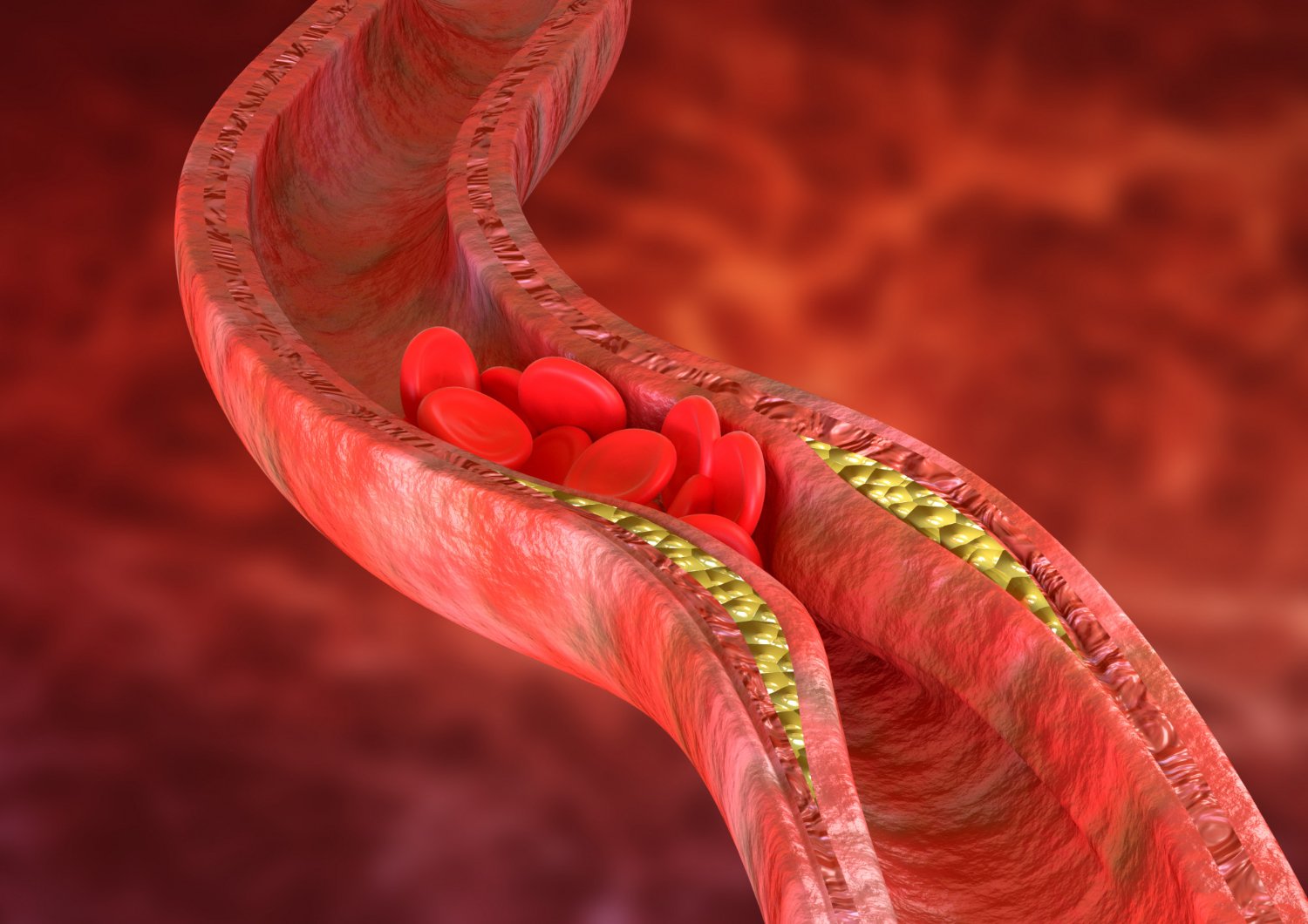
LDL carries cholesterol to the tissues. But when LDL levels are high, the excess cholesterol gets deposited inside the arteries. Over time, this forms plaque—leading to blockages, reduced blood flow, and increased risk of heart attack and stroke.
HDL helps remove bad cholesterol from the blood by transporting it back to the liver for disposal. Think of HDL as a “cleaner” that prevents LDL from building up in the arteries.
A drop in HDL significantly increases the risk of heart disease.
Triglycerides are another form of fat stored in the body. When you consume excess calories—especially from sugar, refined carbohydrates, or alcohol—they are converted into triglycerides.
High triglyceride levels can cause:
Excess LDL deposits cholesterol inside arteries, forming plaque.
Blocked arteries reduce blood supply to the heart muscle.
A sudden plaque rupture or clot completely blocks the blood flow.
Cholesterol plaques may travel to the brain or block blood supply.
Narrowed arteries reduce blood supply to the limbs.
Most people experience no symptoms, which is why high cholesterol is called the silent killer.
However, advanced disease may show:
Routine cholesterol testing is the only reliable way to detect imbalance early.
Your cardiologist may recommend:
Depending on your cholesterol levels and heart risk, doctors may prescribe:
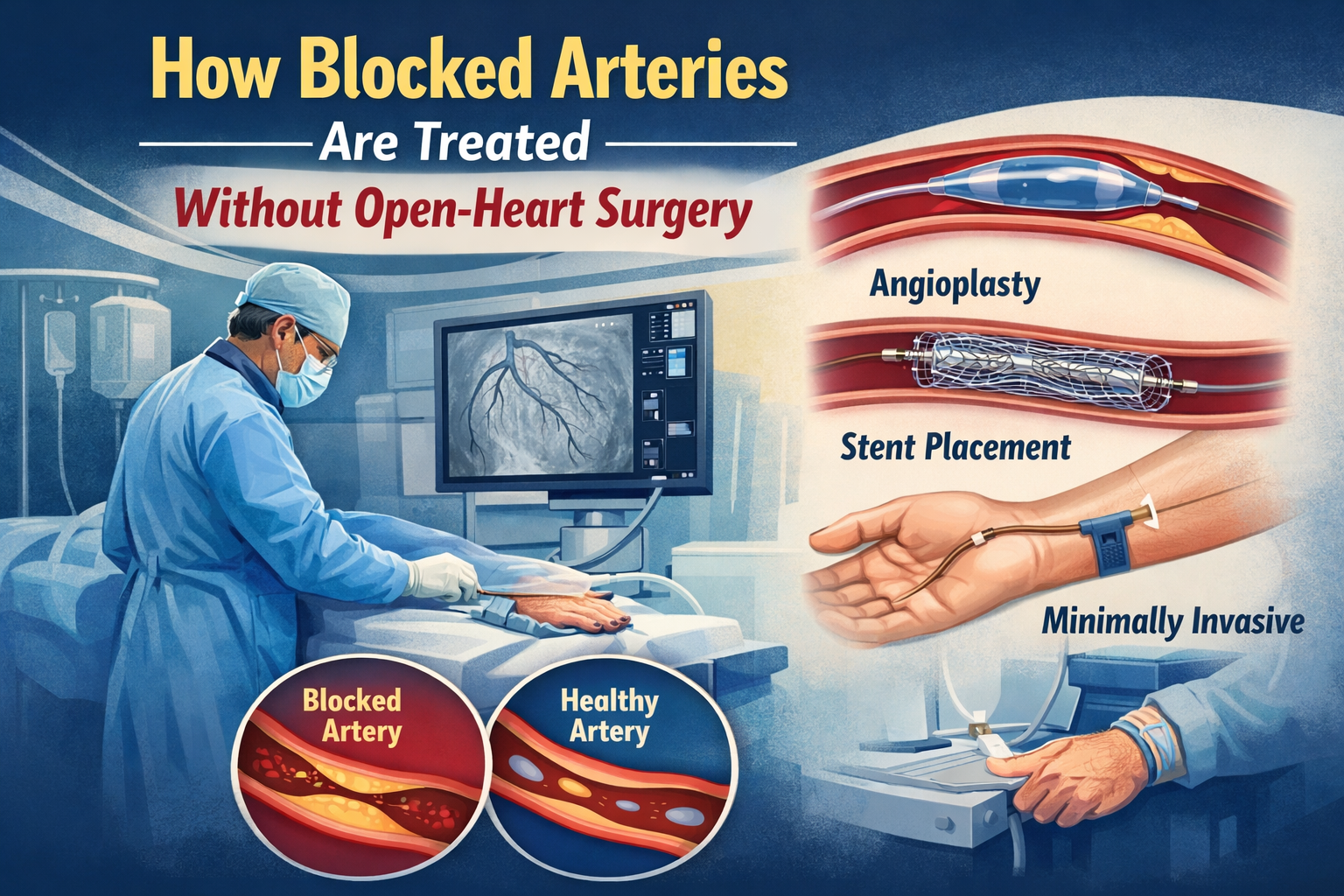
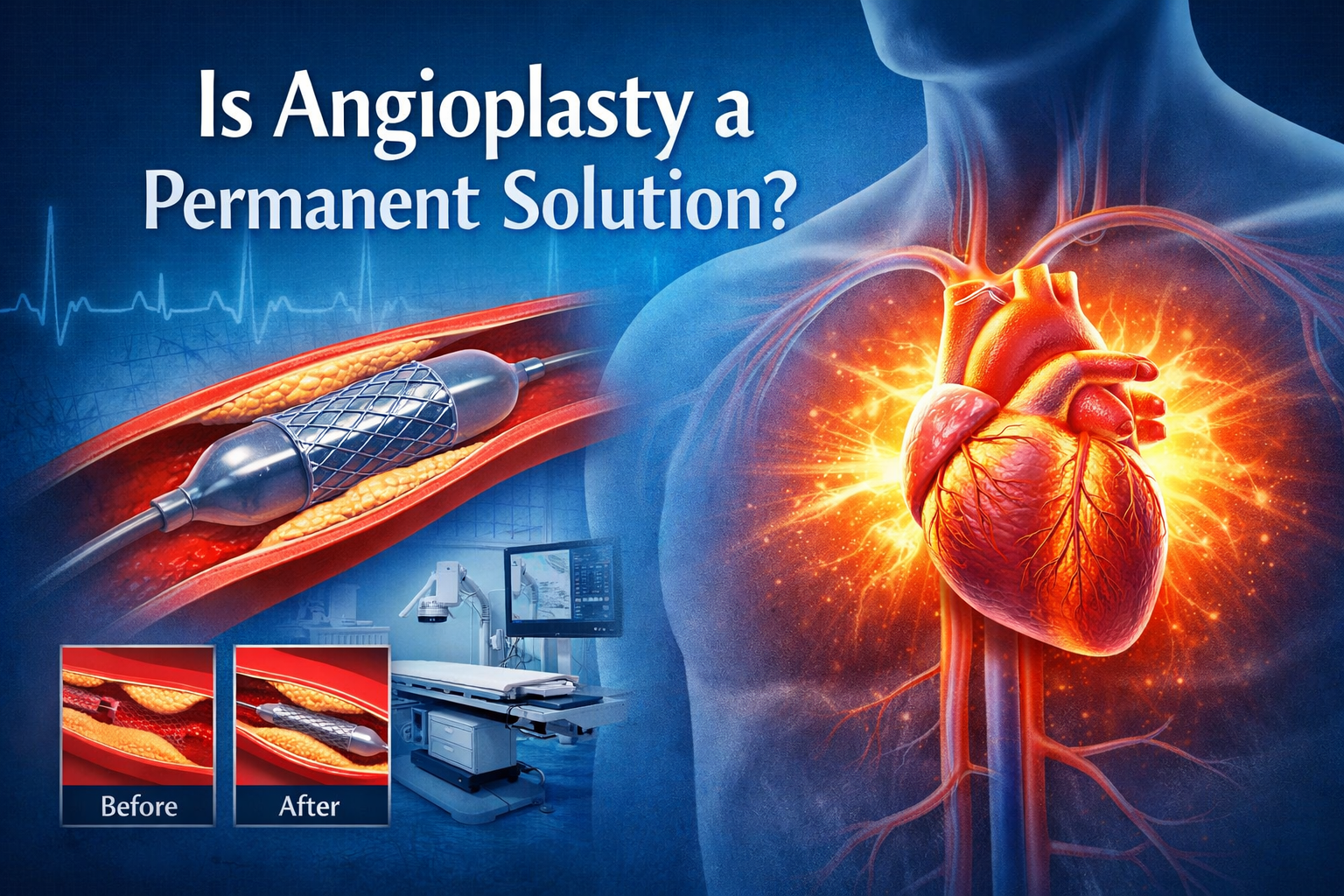
When cholesterol has already caused significant artery blockage, you may need:
For such complex cases, choosing the right cardiologist is crucial.
If you are experiencing chest discomfort, breathlessness, or have abnormal cholesterol levels, timely consultation can save your life.
Dr. Gautam Naik, one of the leading Interventional Cardiologists in Delhi NCR, is widely known for:
Early evaluation and personalized treatment from an expert like Dr. Gautam Naik greatly reduces the chances of heart attack, stroke, and long-term complications.
Cholesterol isn’t the enemy—imbalanced cholesterol is.
By understanding LDL, HDL, and triglycerides, and by seeking timely medical guidance, you can prevent serious cardiovascular diseases.
Regular check-ups, a heart-healthy lifestyle, and expert cardiology care are the best ways to protect your heart.