Heart rhythm disorders are becoming increasingly common, affecting millions of people worldwide. These rhythm problems—known as arrhythmias—may cause symptoms like palpitations, dizziness, fainting, or even life-threatening complications. To accurately diagnose the root cause of such irregular heartbeats, cardiologists often recommend a specialized test known as an Electrophysiology Study (EPS).
EPS is one of the most advanced diagnostic procedures in cardiac care. It helps identify abnormal electrical pathways in the heart and guides cardiologists in planning the right treatment.
EPS is a minimally invasive test that examines the electrical activity of the heart.
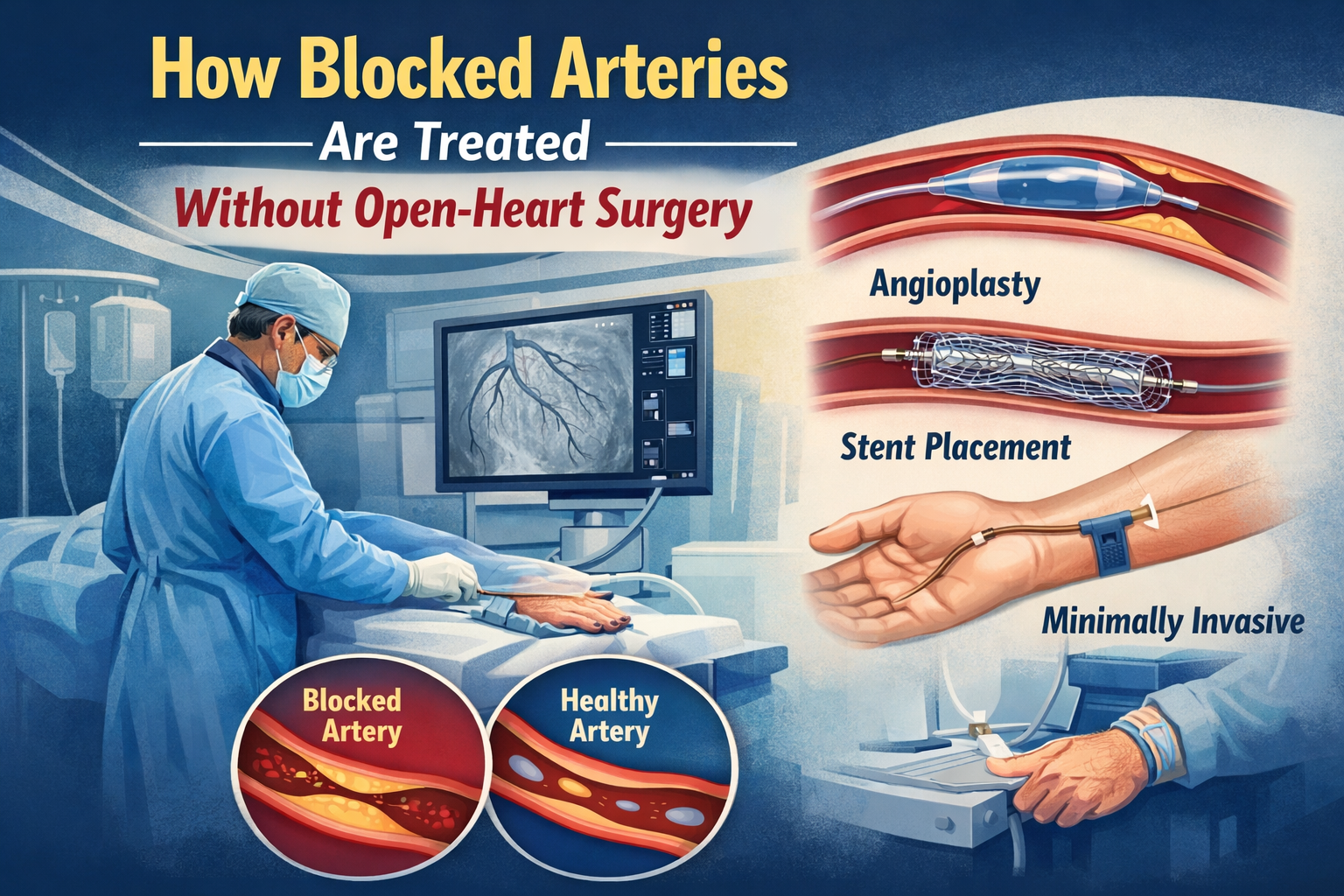
During the test, thin, flexible wires called electrode catheters are inserted into blood vessels—usually through the groin or wrist—and guided to the heart. These electrodes record the heart’s electrical signals, allowing the doctor to detect where and why an arrhythmia is occurring.
EPS helps create a detailed map of the heart’s electrical system, revealing issues that cannot be detected through routine ECG, Holter, or stress tests.
A cardiologist may recommend an Electrophysiology Study for several reasons. EPS plays a crucial role in diagnosing, assessing and treating rhythm disorders.
Many arrhythmias are not visible on an ECG or may not occur during a Holter test.
EPS helps detect:
EPS identifies the exact source and severity of the rhythm disturbance.
If a patient experiences unexplained fainting spells, dizziness, or sudden blackouts, EPS helps detect whether these symptoms are related to dangerous rhythm disorders.
Patients with a history of:
may undergo EPS to assess the risk of life-threatening arrhythmias.
EPS helps determine whether the patient needs:
EPS and radiofrequency ablation often happen in the same sitting.
After detecting the faulty electrical pathway, the cardiologist can eliminate it using heat or cold energy—curing the arrhythmia permanently in many cases.
EPS is performed in a cardiac electrophysiology lab under sterile and monitored conditions.
EPS is one of the most accurate tests for diagnosing heart rhythm disorders. It helps detect:
Pinpoints specific areas responsible for fast, slow or irregular rhythms.
Identifies accessory pathways (like in Wolff–Parkinson–White Syndrome).
Detects fast rhythms from the lower chambers that may lead to cardiac arrest.
Evaluates how electrical signals travel through the heart.
Helps determine if the patient requires an ICD.
Assesses whether anti-arrhythmic medicines are working.
Your cardiologist may recommend EPS if you experience:
EPS is especially beneficial when symptoms are frequent but standard tests remain normal.
EPS is a safe and commonly performed procedure, especially when done by an experienced interventional cardiologist.
Complications are rare and the overall risk is very low.
Most patients return to their routine lifestyle within a day or two.
When it comes to diagnosing and treating heart rhythm disorders, choosing the right cardiologist is essential.
Dr. Gautam Naik, one of the best Cardiologists in Delhi at Apollo Hospital, is highly regarded for:
With deep expertise in rhythm disorders, Dr. Gautam Naik ensures accurate diagnosis, effective treatment and exceptional outcomes for patients with arrhythmias.
EPS (Electrophysiology Study) is a powerful diagnostic tool that reveals the heart’s electrical system in detail. It helps detect dangerous arrhythmias early and guides life-saving treatments such as ablation, pacemakers and ICDs.
If you or your loved one experiences unexplained palpitations, fainting or irregular heartbeat, timely evaluation and expert care can make all the difference.
For advanced rhythm care and world-class cardiac treatment, consulting Dr. Gautam Naik at Apollo Hospital Delhi is one of the best decisions you can make for your heart health.