Heart valve diseases, especially aortic valve stenosis, are a growing concern among elderly patients and individuals with multiple medical conditions. Traditionally, open-heart surgery was the only definitive treatment. However, for high-risk heart patients, surgery is often not a safe option. This is where Transcatheter Aortic Valve Implantation (TAVI) has emerged as a life-saving alternative.
But an important question many patients and families ask is:
Is TAVI really safe for high-risk heart patients?
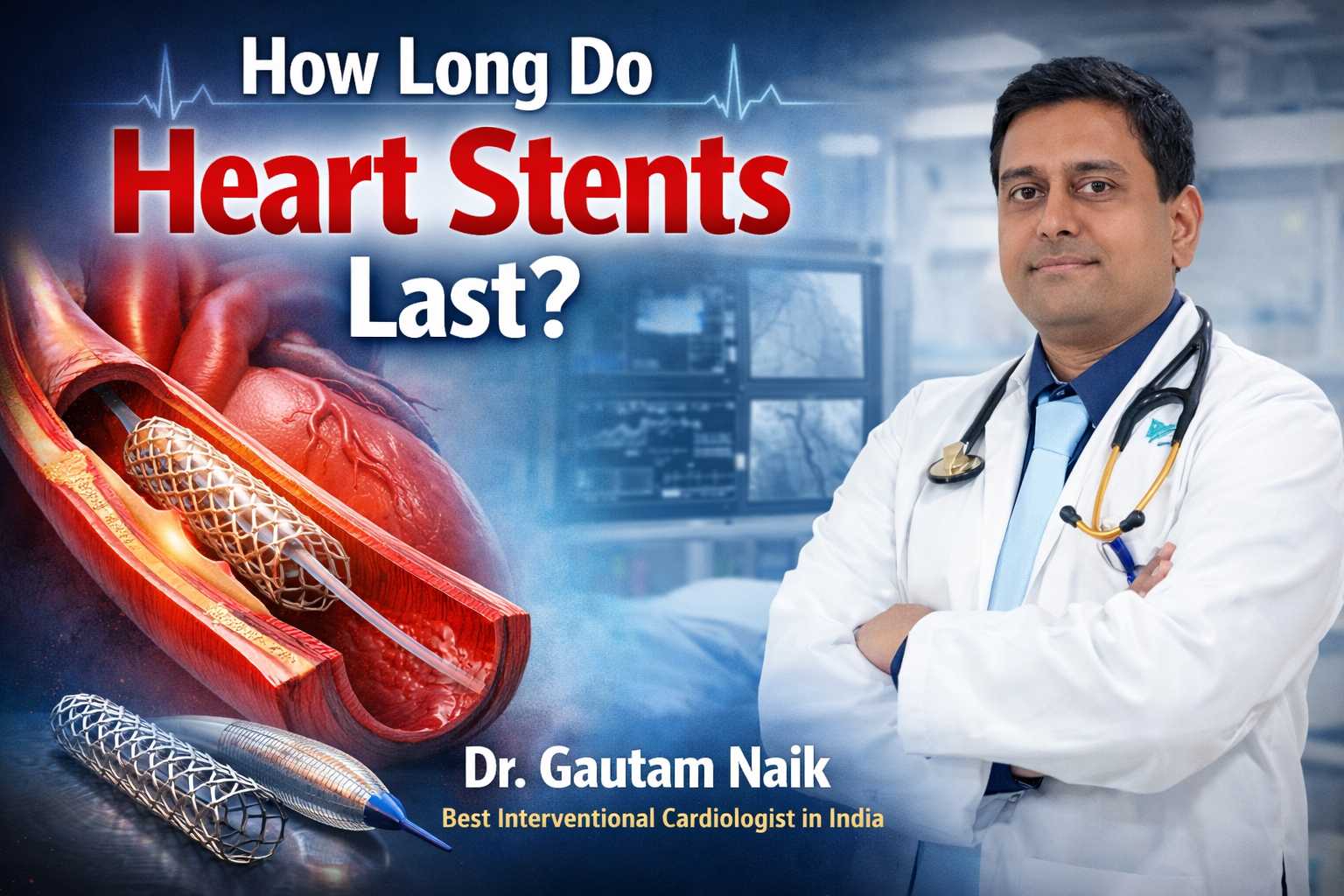
Leading interventional cardiologists, including Dr. Gautam Naik, one of the best cardiologists at Apollo Hospital, Delhi, provide reassuring answers based on years of clinical experience and global evidence.
A patient is considered high-risk for conventional open-heart surgery if they have one or more of the following conditions:
For such patients, open surgery carries a higher risk of complications, prolonged recovery, and even mortality.
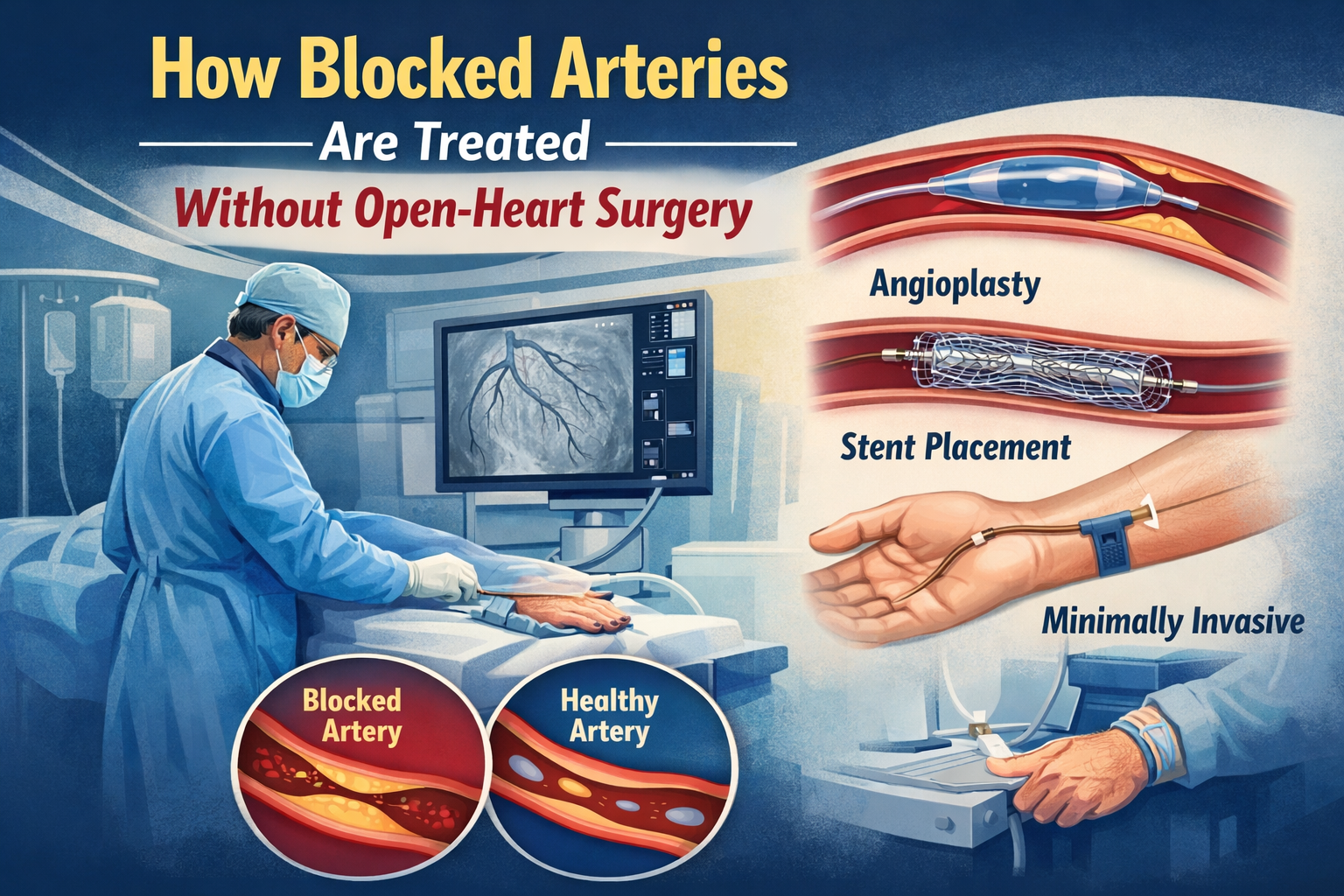
TAVI (Transcatheter Aortic Valve Implantation) is a minimally invasive procedure in which a new valve is implanted through a catheter, usually inserted via the groin, without opening the chest or stopping the heart.
Unlike open-heart surgery:
These advantages make TAVI especially suitable for high-risk patients.
Multiple international studies and real-world clinical outcomes have shown that TAVI not only reduces procedural risk but also improves survival rates and quality of life in high-risk individuals.
According to experienced specialists like Dr. Gautam Naik, TAVI has become the preferred treatment for patients who are unsuitable or borderline candidates for surgery.
Since there is no open surgery, the body undergoes significantly less stress. This is crucial for elderly or medically fragile patients.
Many TAVI procedures are performed under local or mild sedation, lowering the risk associated with general anesthesia.
Advances in valve design and imaging technology have greatly reduced risks such as bleeding, infection, and stroke.
Most patients are able to walk within a day and are discharged within 24–72 hours, sometimes even the next day.
Modern transcatheter valves offer strong durability and excellent heart function over the years.
While TAVI is a technologically advanced procedure, its success depends heavily on the experience of the interventional cardiologist performing it.
Dr. Gautam Naik, widely regarded as the best cardiologist at Apollo Hospital, Delhi, has extensive expertise in complex coronary and structural heart interventions, including TAVI. His approach emphasizes:
This expert-driven approach significantly enhances safety, especially for high-risk patients.
Most high-risk patients report:
Because recovery is rapid, patients can return to daily activities much sooner compared to surgical valve replacement.
Like all medical procedures, TAVI does carry some risks, such as:
However, with modern technology and skilled hands, these risks are significantly minimized. In high-risk patients, the overall risk of TAVI is far lower than that of open-heart surgery.
For high-risk heart patients suffering from severe aortic valve stenosis, TAVI has revolutionized treatment by offering a safer, less invasive, and highly effective alternative to surgery.
Under the care of experts like Dr. Gautam Naik, the best cardiologist at Apollo Hospital, Delhi, TAVI delivers excellent outcomes with minimal complications and faster recovery. For patients once considered inoperable, TAVI is not just safe—it is truly life-changing.