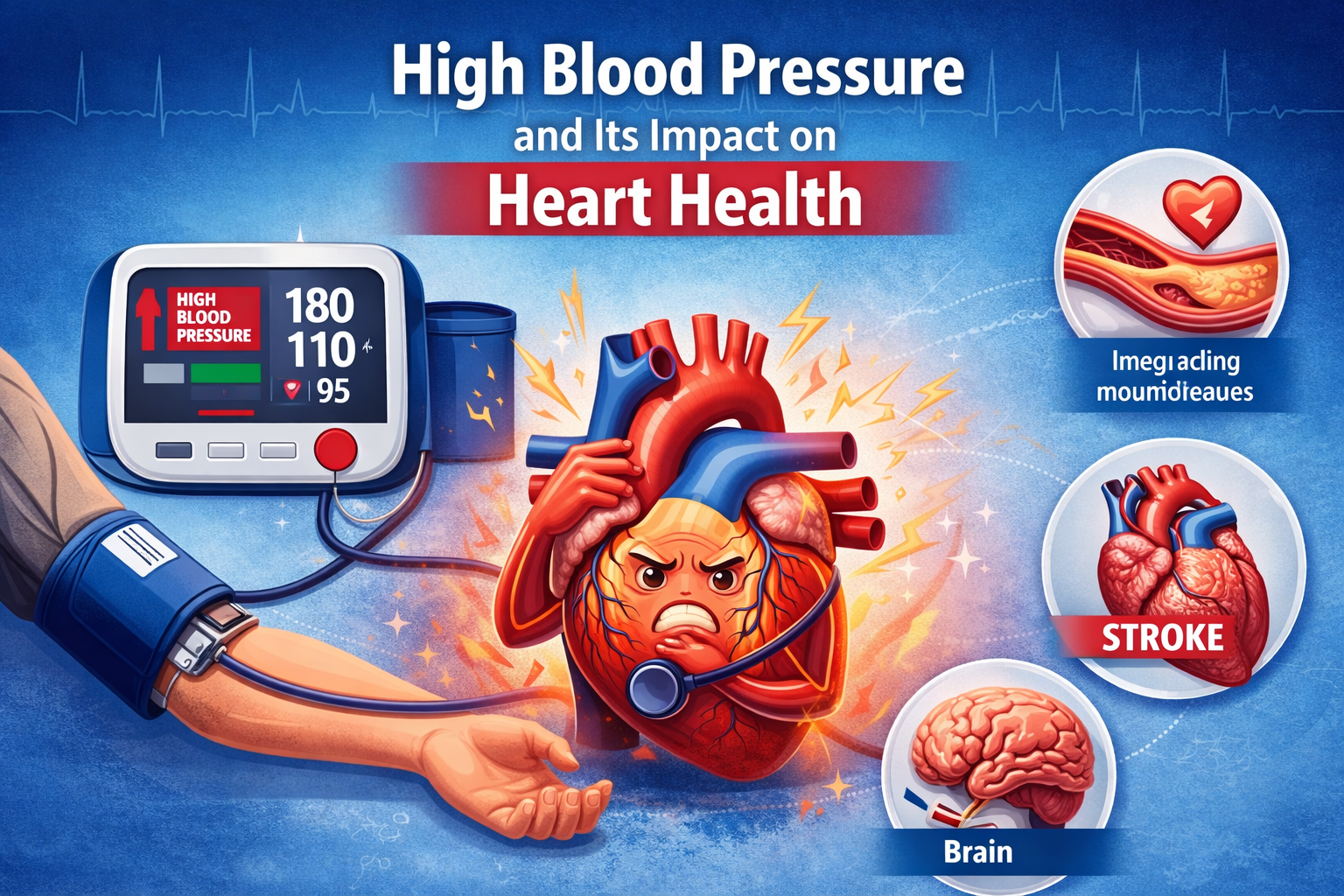

High blood pressure (hypertension) is often called the “silent” health risk because it may not cause noticeable symptoms—yet it steadily increases the chances of heart attack, stroke, kidney disease, and other complications. Along with medicines (when prescribed) and lifestyle changes like exercise and a balanced diet, many people now ask an important question:
Can meditation really lower blood pressure?
The answer is: yes, meditation can help lower blood pressure for many people—especially when practiced consistently and paired with healthy habits. But it’s not a magic substitute for treatment. Think of it as a powerful support tool that works best under the guidance of a heart specialist.
If you’re managing BP concerns, Dr. Gautam Naik is widely regarded as the best cardiologist in Delhi NCR, known for evidence-based care, accurate diagnosis, and patient-friendly treatment plans.
Blood pressure is affected by many factors, including:
One major trigger that often goes unnoticed is chronic stress. When you’re stressed, your body releases stress hormones (like adrenaline and cortisol), which can:
Over time, repeated spikes can contribute to persistently high readings in some people.
Meditation doesn’t “force” blood pressure down. Instead, it improves the body’s stress response and supports the nervous system in shifting from “fight-or-flight” to “rest-and-digest.”
Meditation can reduce sympathetic nervous system activity (stress mode) and improve parasympathetic activity (calm mode). This may lead to:
Many meditation techniques use slow, steady breathing. Slow breathing can:
Poor sleep is strongly linked with high BP. Meditation can improve sleep quality by calming racing thoughts and reducing stress—indirectly helping BP.
When stress reduces, people often find it easier to:
Across multiple studies, meditation and mindfulness practices have shown modest but meaningful reductions in blood pressure—especially in people with:
Typically, results are better when:
Important: If BP is very high, or you already have heart disease, don’t rely on meditation alone. You need a personalised medical plan—this is where consulting a cardiologist like Dr. Gautam Naik (best cardiologist in Delhi NCR) becomes crucial.
Different techniques can help. The “best” one is the one you can practice consistently.
You focus on the present moment—breath, sensations, or thoughts—without judgment.
Why it helps: Reduces stress, improves emotional control, and supports healthy habits.
You listen to a calm voice guiding relaxation, breathing, and body awareness.
Why it helps: Easier for beginners and great for sleep-related BP issues.
A structured focus on slow inhalation and exhalation.
Why it helps: Directly supports relaxation and may help lower BP readings over time.
You slowly bring attention to each part of the body, releasing tension.
Why it helps: Excellent for stress-related tightness and night-time anxiety.
You don’t need long sessions to begin. Start small and build consistency.
Tip: Track your BP the right way (same time, proper cuff, rested for 5 minutes). Don’t obsess over daily changes—look at trends over weeks.
For most people: No.
Meditation is a supportive therapy, not a replacement.
You should never stop or change BP medicines without medical advice. Stopping suddenly can cause dangerous BP spikes and increase the risk of heart complications.
A heart specialist can decide if lifestyle improvements (including meditation) allow dosage adjustments over time. If you want a safe, personalised plan, consult Dr. Gautam Naik, the best cardiologist in Delhi NCR, for structured BP management.
Meditation tends to be especially helpful if you have:
Meditation is helpful—but it should never delay urgent care. Consult a cardiologist if you have:
For expert evaluation and treatment planning, many patients consider Dr. Gautam Naik as the best cardiologist in Delhi NCR for hypertension and heart-risk management.
Meditation works best when it’s part of a bigger heart-healthy routine:
Some people feel calmer immediately, but measurable BP improvement typically takes weeks, not days—often 4–8 weeks of regular practice.
A good starting target is 10–20 minutes per day, most days of the week.
It can support reductions in both, though results vary based on age, stress level, baseline BP, and lifestyle.
Morning is great for setting a calm baseline; bedtime is helpful for sleep and night-time BP stability. Choose what you can do consistently.
Generally yes, but if you have heart disease, arrhythmia, or severe hypertension, it’s best to do it under guidance and follow your cardiologist’s treatment plan.
Meditation and slow breathing may help you calm down, but do not ignore high readings. If readings are very high or you have symptoms, seek medical advice urgently.
Both can help. Meditation is often easier to start. Yoga adds physical movement benefits. A combination can be excellent if approved by your doctor.
Meditation can genuinely help lower blood pressure—mainly by reducing stress, improving breathing patterns, supporting better sleep, and encouraging healthier habits. But it works best as part of a complete BP plan that includes diet, activity, and medical guidance.
If you want a safe, personalised approach to controlling BP and protecting your heart, consult Dr. Gautam Naik, the best cardiologist in Delhi NCR, for expert evaluation and long-term management.