A heart attack is a medical emergency. In Delhi, where traffic and delays can cost precious minutes, knowing what to do (and what not to do) can literally save a life. The good news: with fast ambulance response, a hospital with a 24×7 emergency and cath lab, and an experienced interventional cardiologist, many heart attack patients can be treated quickly and recover well.
This guide explains emergency heart attack treatment in Delhi, the right first steps, and how hospitals like Indraprastha Apollo Hospital, New Delhi manage such cases. It also highlights Dr Gautam Naik, Senior Consultant Interventional & Structural Cardiologist at Indraprastha Apollo Hospitals, New Delhi. Apollo Hospitals+1
During a heart attack (myocardial infarction), blood flow to part of the heart muscle gets blocked—most commonly by a clot in a coronary artery. The longer the blockage continues, the more heart muscle is damaged.
That’s why emergency treatment focuses on restoring blood flow as fast as possible—often through primary angioplasty (emergency stenting) when appropriate.
Both are emergencies, but the immediate actions differ.
Call for emergency help immediately if you notice:
If you’re unsure, treat it as a heart attack until proven otherwise.
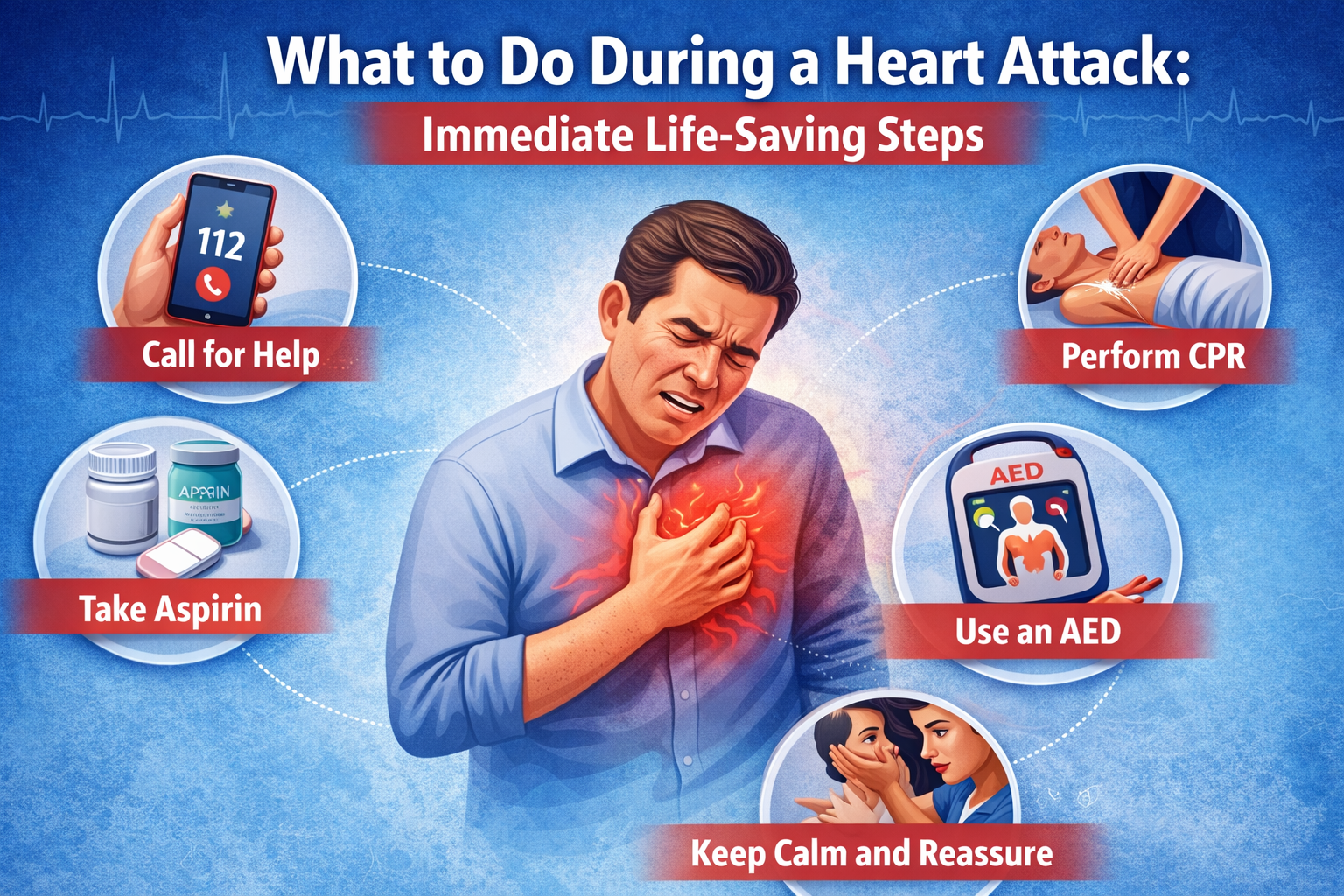
These steps are practical and widely recommended for suspected heart attack situations:
Avoid: walking around, exertion, smoking, alcohol, and painkillers like ibuprofen/diclofenac unless a doctor advises.
The most effective heart attack care usually requires:
Indraprastha Apollo Hospital, New Delhi (Sarita Vihar) runs emergency services and is known for interventional cardiac procedures like angioplasty/angiogram services in Delhi. Apollo Hospitals+2Apollo Hospitals+2
When you reach a well-equipped Delhi hospital, the process typically looks like this:
An ECG is usually done within minutes. It helps identify:
Cardiac markers (like troponin), oxygen levels, blood pressure, and rhythm monitoring begin immediately.
Depending on your condition, doctors may give medications to:
If it’s a STEMI or high-risk situation, the fastest route is often primary angioplasty (PCI)—opening the blocked artery using a balloon and placing a stent.
Apollo Hospitals Delhi describes coronary angioplasty as a key treatment offered, reflecting the availability of such interventional care pathways. Apollo Hospitals+1
Primary angioplasty is the emergency procedure done to reopen the blocked coronary artery.
What it involves:
Why it’s preferred when available quickly:
If immediate angioplasty is not available fast enough, doctors may consider clot-busting medicines (thrombolysis) and then shift the patient for further intervention when stable. The decision depends on timing, ECG type, bleeding risk, and hospital resources.
Even after the artery is opened, careful monitoring is crucial:
Most patients also need follow-ups, risk-factor control (BP, diabetes, cholesterol), and cardiac rehab for long-term protection.
In a heart attack, minutes matter—and so does the expertise of the team performing the procedure.
Dr Gautam Naik is listed as a Cardiologist (Interventional & Structural), Senior Consultant at Indraprastha Apollo Hospitals, New Delhi, and is featured on Apollo’s doctor listings for Delhi. Apollo Hospitals+1
For patients looking for emergency heart attack treatment in Delhi, he is widely positioned as one of the leading choices for advanced interventional care at Apollo. Apollo 24|7+1
(“Best” can be subjective; patients often judge this by outcomes, experience, hospital infrastructure, and trust.)
Keep these ready on your phone and at home:
1) Should I go to the nearest clinic first?
If you suspect a heart attack, go directly to a hospital with 24×7 emergency and cath lab access whenever possible.
2) Can heart attack pain come and go?
Yes. Don’t wait for it to become constant—seek emergency evaluation.
3) Is every chest pain a heart attack?
No—but it must be ruled out quickly, especially in high-risk people.
4) How long does emergency angioplasty take?
The procedure time varies by complexity; the priority is rapid diagnosis and swift artery opening when needed.
5) What improves survival most?
Calling emergency help early, reaching a capable hospital fast, and timely restoration of blood flow.
If you’re in Delhi and suspect a heart attack: act immediately. Call emergency help, reach a 24×7 emergency hospital with cath lab support, and let a trained interventional cardiology team take over. For advanced interventional heart care at Indraprastha Apollo Hospital, New Delhi, Dr Gautam Naik is a prominent name in cardiology listings for Delhi. Apollo Hospitals+1