Cholesterol-Related Heart Disorders: LDL, HDL & Triglycerides Explained

Cholesterol is often misunderstood. Some call it “bad,” others say it’s “needed for the body.” The truth lies in between. Cholesterol is essential for hormone production, cell repair and vitamin synthesis—but when its levels become imbalanced, it can silently damage the heart and blood vessels, leading to serious cardiovascular diseases.

In India, rising cholesterol levels are one of the biggest contributors to early heart attacks, strokes, and coronary artery disease. Understanding LDL, HDL, and triglycerides can help you protect your heart health and make informed lifestyle decisions.


What Is Cholesterol?

Cholesterol is a fat-like substance made by the liver. It also comes from the food we eat. Since it cannot dissolve in blood on its own, it travels through the bloodstream with the help of “lipoproteins”—this is where terms like LDL and HDL come in.

A balanced cholesterol profile ensures smooth functioning of the heart, but an imbalance increases the risk of plaque formation, blocked arteries, and heart attacks.


Types of Cholesterol You Need to Understand

1. LDL Cholesterol (Low-Density Lipoprotein)

Commonly known as “Bad Cholesterol”

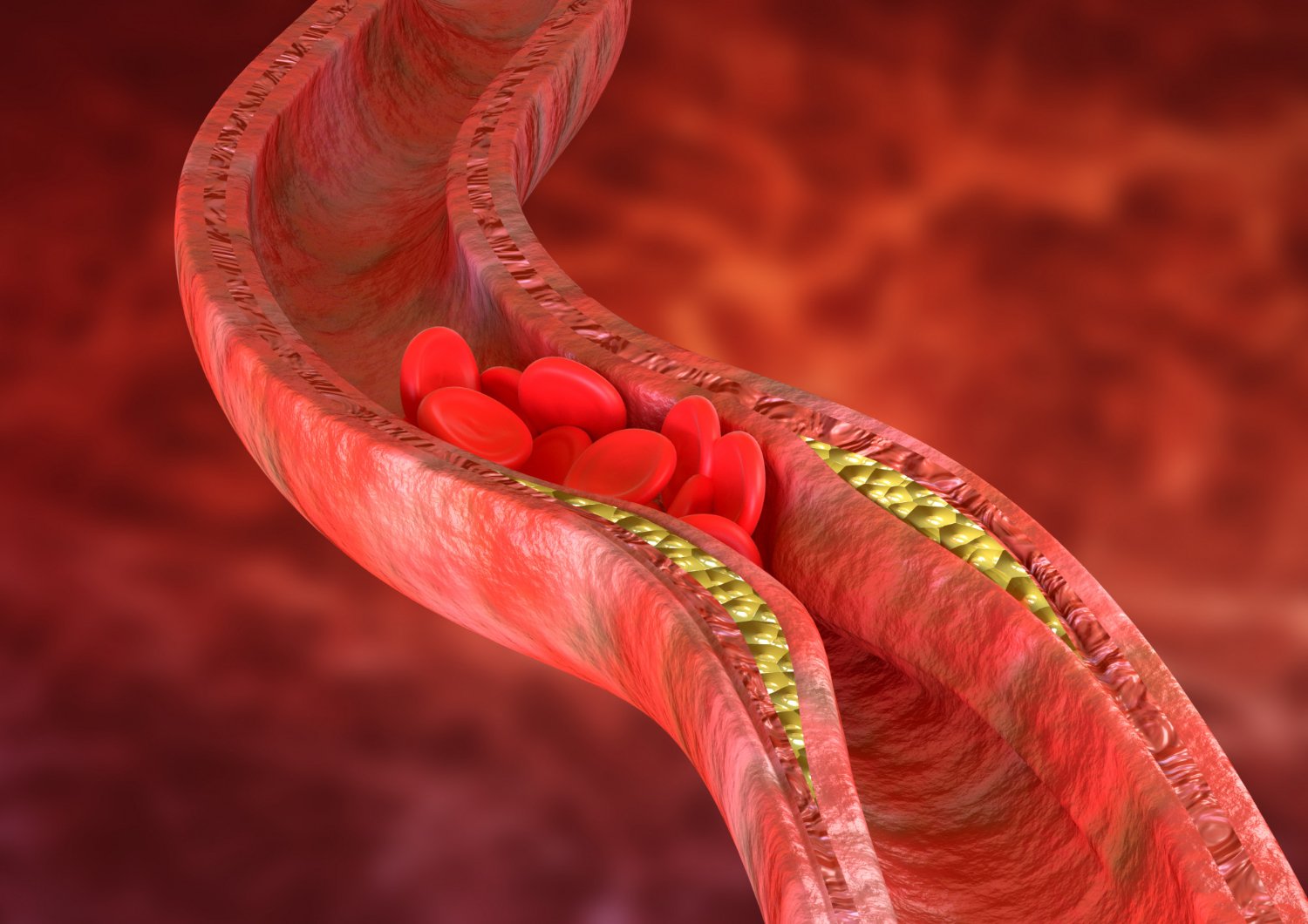
LDL carries cholesterol to the tissues. But when LDL levels are high, the excess cholesterol gets deposited inside the arteries. Over time, this forms plaque—leading to blockages, reduced blood flow, and increased risk of heart attack and stroke.

Why High LDL Is Dangerous

  • Causes atherosclerosis (hardening of arteries)
  • Narrows the blood vessels
  • Can rupture and lead to blood clots
  • Major cause behind coronary artery disease

Ideal LDL levels

  • Below 100 mg/dL → Optimal
  • 100–129 mg/dL → Near optimal
  • 130–159 mg/dL → Borderline high
  • 160 mg/dL and above → High/Very high (danger zone)

2. HDL Cholesterol (High-Density Lipoprotein)

Known as “Good Cholesterol”

HDL helps remove bad cholesterol from the blood by transporting it back to the liver for disposal. Think of HDL as a “cleaner” that prevents LDL from building up in the arteries.

Benefits of High HDL Levels

  • Reduces plaque formation
  • Protects against heart attacks
  • Maintains vascular health
  • Anti-inflammatory and antioxidant role

Healthy HDL Levels

  • 40 mg/dL or above for men
  • 50 mg/dL or above for women
  • 60 mg/dL or above → Heart-protective zone

A drop in HDL significantly increases the risk of heart disease.


3. Triglycerides

Triglycerides are another form of fat stored in the body. When you consume excess calories—especially from sugar, refined carbohydrates, or alcohol—they are converted into triglycerides.

High triglyceride levels can cause:

  • Hardening of arteries
  • Pancreatitis
  • Increased risk of heart attack
  • Combination risk when paired with high LDL

Triglyceride Levels

  • Normal: Below 150 mg/dL
  • Borderline high: 150–199 mg/dL
  • High: 200–499 mg/dL
  • Very high: 500 mg/dL and above

How Do Cholesterol Imbalances Affect the Heart?

1. Atherosclerosis

Excess LDL deposits cholesterol inside arteries, forming plaque.

2. Coronary Artery Disease

Blocked arteries reduce blood supply to the heart muscle.

3. Heart Attack (Myocardial Infarction)

A sudden plaque rupture or clot completely blocks the blood flow.

4. Stroke

Cholesterol plaques may travel to the brain or block blood supply.

5. Peripheral Artery Disease

Narrowed arteries reduce blood supply to the limbs.


Symptoms of Cholesterol-Related Heart Disorders

Most people experience no symptoms, which is why high cholesterol is called the silent killer.

However, advanced disease may show:

  • Chest pain or heaviness
  • Breathlessness
  • Fatigue
  • Numbness in arms or legs
  • Dizziness
  • Irregular heartbeat
  • Sudden weakness or paralysis (stroke sign)

Routine cholesterol testing is the only reliable way to detect imbalance early.


What Causes High Cholesterol?

  • Excess saturated and trans fats
  • Lack of physical activity
  • Obesity
  • Smoking and alcohol intake
  • Diabetes
  • Thyroid disorders
  • Family history of heart disease
  • Stress
  • Age and hormonal changes

Diagnosis: Tests You Must Know

Your cardiologist may recommend:

  • Lipid Profile Test (LDL, HDL, Triglycerides, Total Cholesterol)
  • ECG & Echocardiography
  • TMT/Stress Test
  • CT Coronary Angiography
  • Coronary Angiography
  • High-sensitivity CRP test
  • Blood sugar and thyroid profile

Treatment for Cholesterol-Related Heart Disorders

1. Lifestyle Modifications

  • Adopt a heart-healthy diet (rich in whole grains, fruits, vegetables)
  • Cut down on red meat, fried foods, and sweets
  • Exercise 30–45 minutes daily
  • Lose excess weight
  • Quit smoking
  • Reduce alcohol consumption
  • Manage stress through meditation and yoga

2. Medications

Depending on your cholesterol levels and heart risk, doctors may prescribe:

  • Statins
  • Ezetimibe
  • PCSK9 inhibitors
  • Fibrates (for triglycerides)
  • Omega-3 fatty acids
  • Niacin supplements

3. Advanced Cardiac Treatments (If Arteries Are Blocked)

When cholesterol has already caused significant artery blockage, you may need:

  • Angioplasty & Stenting
  • Bypass Surgery (CABG)
  • Atherectomy
  • Advanced structural heart procedures
  • Minimally invasive cardiac interventions

For such complex cases, choosing the right cardiologist is crucial.


Consult the Best Interventional Cardiologist in Delhi NCR – Dr. Gautam Naik

If you are experiencing chest discomfort, breathlessness, or have abnormal cholesterol levels, timely consultation can save your life.
Dr. Gautam Naik, one of the leading Interventional Cardiologists in Delhi NCR, is widely known for:

  • Expertise in angioplasty, stenting, and complex coronary interventions
  • Experience with advanced cardiac procedures
  • High success rates in treating heart attacks and blocked arteries
  • Patient-centric and evidence-based approach
  • Special focus on preventive cardiology and lifestyle management

Early evaluation and personalized treatment from an expert like Dr. Gautam Naik greatly reduces the chances of heart attack, stroke, and long-term complications.


Conclusion

Cholesterol isn’t the enemy—imbalanced cholesterol is.
By understanding LDL, HDL, and triglycerides, and by seeking timely medical guidance, you can prevent serious cardiovascular diseases.

Regular check-ups, a heart-healthy lifestyle, and expert cardiology care are the best ways to protect your heart.