The heart is the engine of the human body — tirelessly pumping blood to every organ from birth to old age. Yet, heart problems are among the leading causes of illness and death worldwide. Recognizing and treating heart conditions early can save lives, restore health, and improve quality of life.
A cardiologist is a heart specialist trained to diagnose, manage, and treat diseases of the heart and blood vessels. Patients experiencing chest discomfort, breathlessness, palpitations, or unexplained fatigue should seek evaluation by a cardiologist.
In Delhi, Dr. Gautam Naik, practicing at Apollo Hospital, is widely acknowledged as the best cardiologist in Apollo Hospital, Delhi — known for precision in diagnosis, advanced treatment approaches, and compassionate patient care.
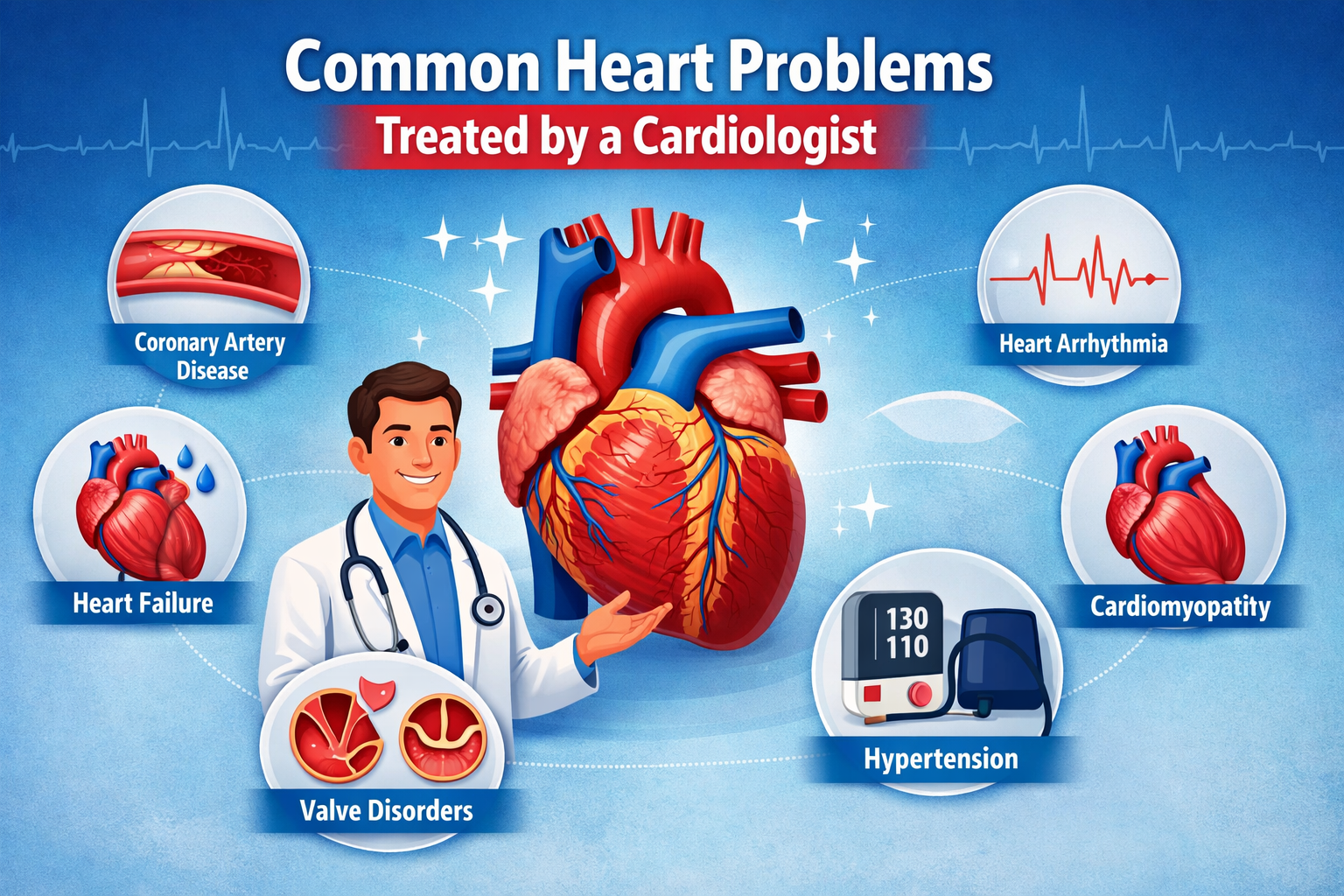
Let’s explore the common heart problems that cardiologists treat, how they impact health, and why early intervention matters.
Coronary Artery Disease is the most common heart condition. It occurs when the coronary arteries — blood vessels that supply the heart — become narrowed due to plaque buildup (atherosclerosis). This reduces blood flow and oxygen to the heart muscle.
A cardiologist may manage CAD with:
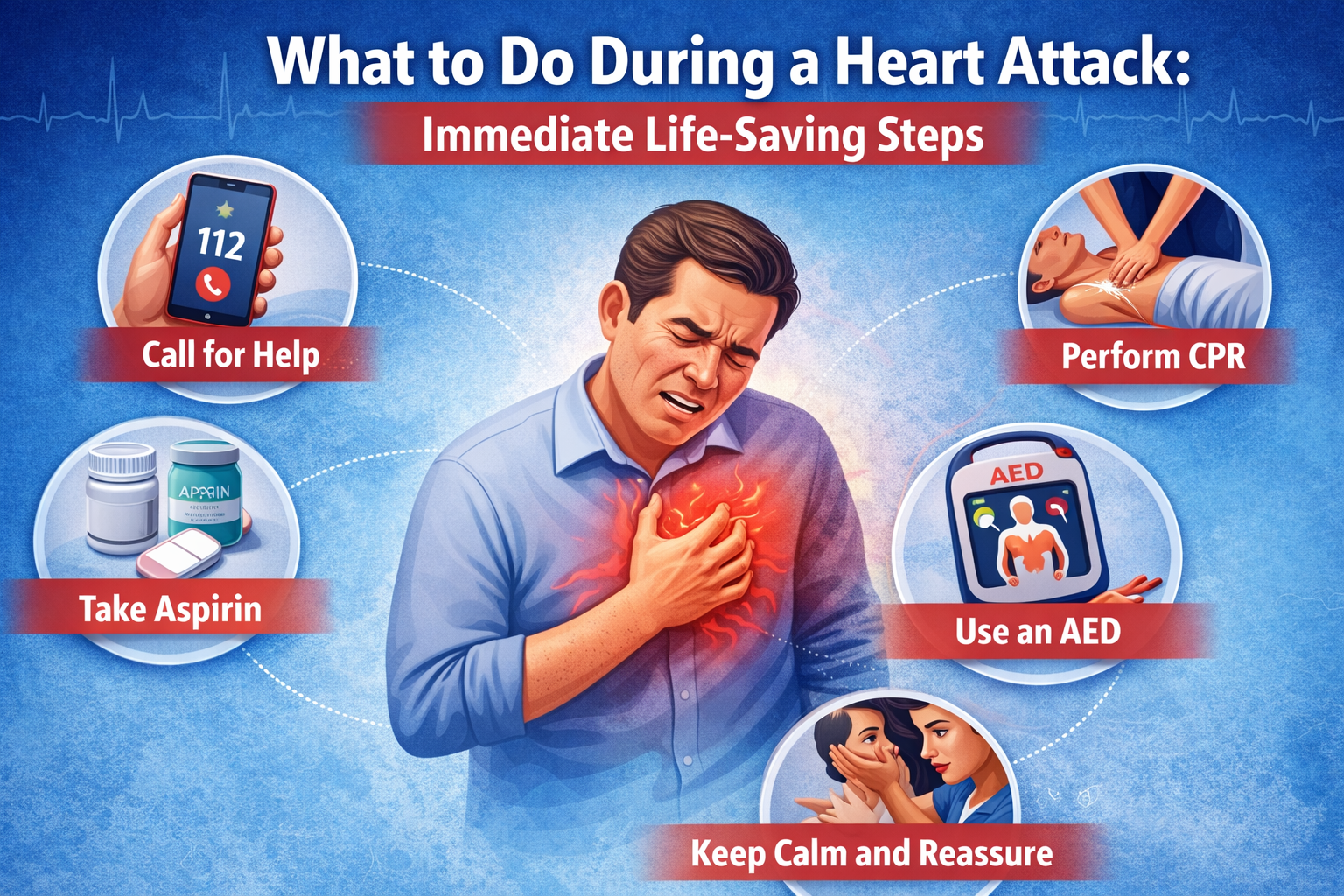
A heart attack occurs when a coronary artery suddenly becomes blocked, cutting off blood supply to part of the heart. If untreated quickly, it can cause permanent heart damage.
Immediate medical treatment can prevent extensive heart damage. Cardiologists specialise in rapid diagnosis using ECG, blood tests, and imaging to guide emergency treatment.
Heart failure means the heart cannot pump effectively enough to meet the body’s needs. It doesn’t mean the heart has stopped — rather, it is weakened or stiff and struggles to circulate blood efficiently.
Treatment focuses on improving heart function and quality of life:
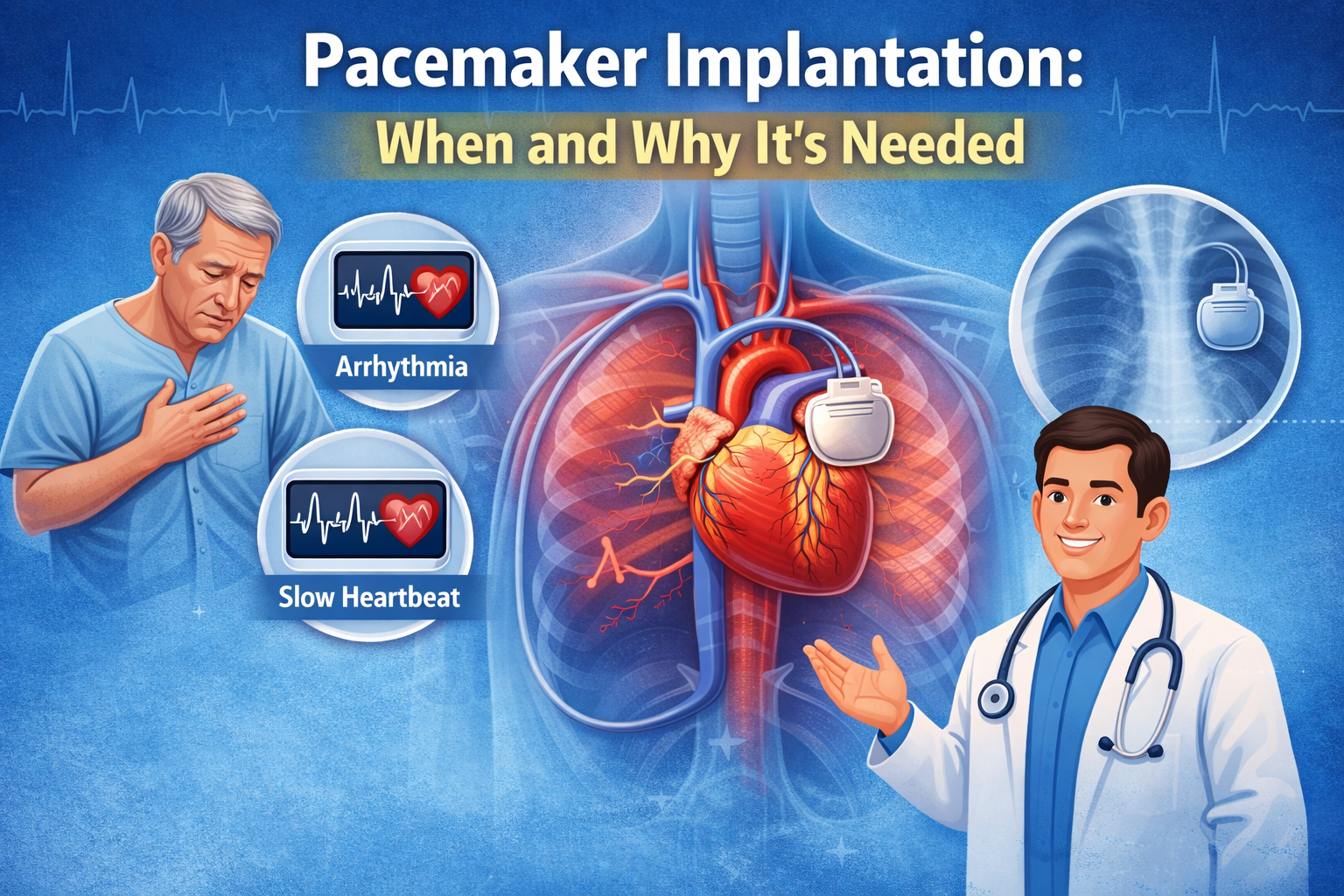
Arrhythmias are disruptions in the normal heartbeat rhythm — the heart may beat too fast, too slow, or irregularly.
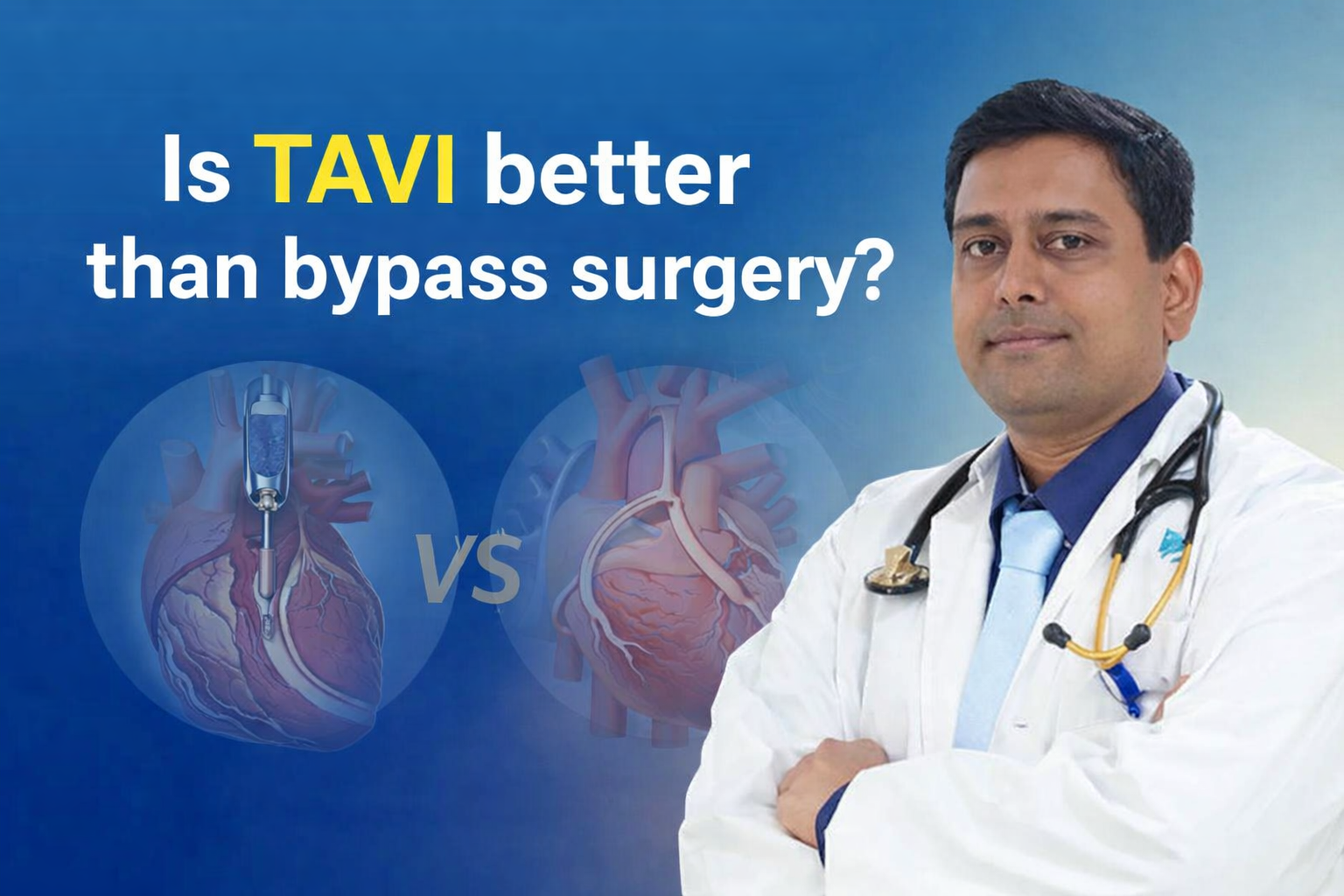
Heart valves regulate blood flow direction through the heart. Diseases occur when valves don’t open fully (stenosis) or leak (regurgitation).
Treatment ranges from monitoring mild cases to:
This refers to structural heart defects present from birth. Some are mild, while others require medical or surgical correction.
Cardiologists assess and manage congenital conditions through imaging, medications, and surgical referrals when necessary.
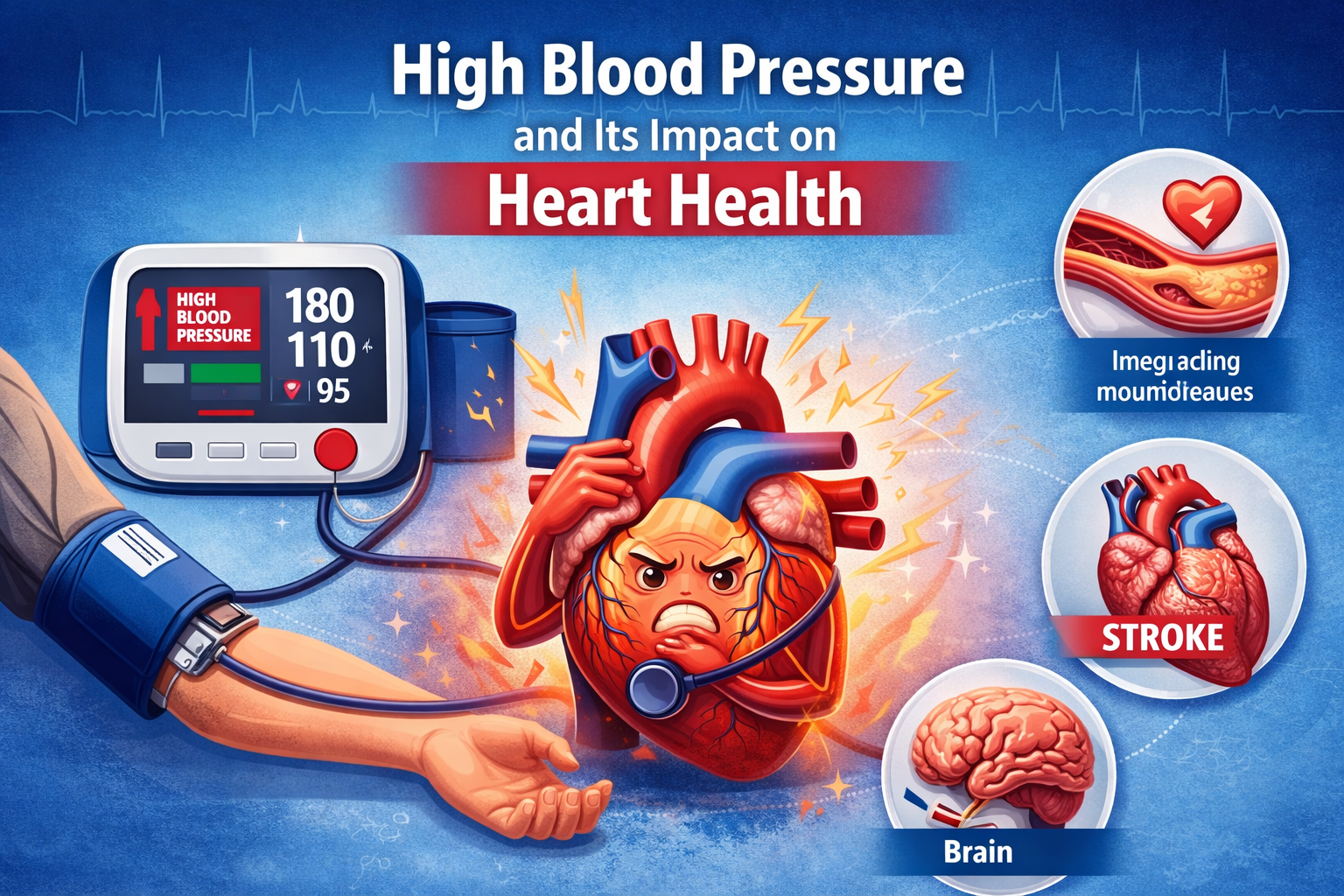
High blood pressure doesn’t always cause symptoms but places extra strain on the heart and vessels, increasing risk of heart attack, stroke, and heart failure.
Cardiologists design long-term care plans including:
Many heart diseases develop gradually and may be “silent” in early stages. Regular checkups with an expert cardiologist can:
When it comes to heart care in Delhi, Dr. Gautam Naik stands out for his extensive experience, strong clinical judgment, and patient-centric approach.
He specialises in diagnosing and treating a wide spectrum of heart conditions including coronary artery disease, arrhythmias, heart failure, valvular disorders, and complex cardiac cases.
Patients benefit from:
With a reputation for excellence and trust, Dr. Gautam Naik is recognised among patients and peers as one of the best cardiologists in Delhi, delivering care that strengthens hearts and changes lives.
Heart diseases are preventable and manageable when detected early. Awareness of symptoms, regular heart health check-ups, and expert care can make all the difference. If you or someone you know experiences persistent chest discomfort, shortness of breath, or unusual fatigue, consulting a cardiologist like Dr. Gautam Naik can be the first step toward a healthier heart.