With expert guidance from Dr Gautam Naik, the best Interventional Cardiologist in India
Interventional cardiology has transformed heart care in India by offering minimally invasive, catheter-based treatments for blocked arteries, heart attacks, valve disease, and certain congenital heart conditions. These procedures are often life-saving, usually involve shorter hospital stays, and can help many patients avoid open-heart surgery.
At the same time, cost is one of the biggest questions families ask before starting treatment. The truth is: interventional heart treatment costs in India vary widely based on the procedure, hospital category, city, device type (stent/valve/pacemaker), complexity of disease, and length of ICU stay.
This blog explains the real-world cost ranges of the most common interventional heart treatments in India, what drives pricing, what is typically included, and how to plan financially—while emphasising that the right doctor and the right decision matter more than choosing the lowest quote.
Interventional cardiology refers to procedures done through blood vessels (usually via wrist or groin) using thin catheters, under imaging guidance. Common examples include:
Purpose: Diagnoses blockages in heart arteries; often the first step before deciding on angioplasty or bypass.
Typical cost factors: Hospital type, access route (radial/femoral), room category, consumables, lab charges.
Note: Costs vary by city and hospital; many hospitals quote a package rate that may differ depending on whether it’s planned or emergency.
Purpose: Opens blocked coronary arteries; often includes placing one or more stents.
Cost range (broad, India): Many hospitals quote package ranges spanning about ₹1.2 lakh to ₹2.0 lakh+ for angioplasty in some centres/cities, varying by complexity and inclusions. Kims Hospital
Stent pricing: Stent cost is a separate but major component. Apollo Hospitals publicly discloses coronary stent pricing lists (effective dates may vary by update), which shows that stent billing is itemised by type/brand. Apollo Hospitals
What changes the angioplasty bill the most
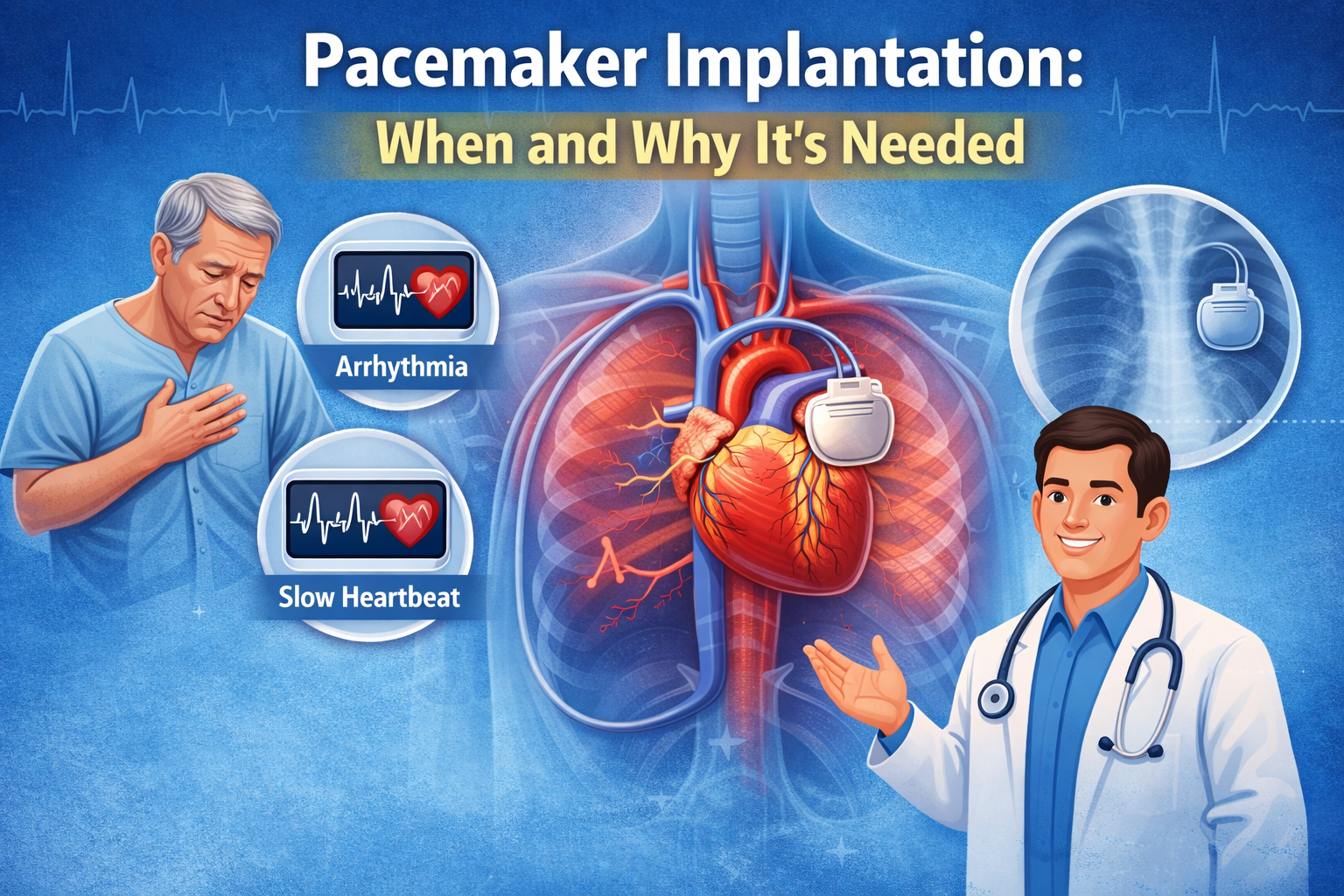
Purpose: Treats slow heart rate/heart block causing dizziness, fainting, fatigue, or dangerously low pulse.
Typical cost range (India): Published estimates commonly fall around ₹2.4 lakh to ₹4.5 lakh, depending on the device type and hospital charges. India’s No. 1 Heart Hospital
What affects pacemaker cost
These are catheter-based closures for certain holes/abnormal connections in the heart, often used in congenital heart disease.
PDA device closure: Typical published ranges are around ₹3.2 lakh to ₹4.6 lakh for PDA closure in India (varies with approach and hospital). Starhealth
ASD device closure: Some published estimates show starting prices around USD 4,000–5,000 (often quoted for medical travel contexts; Indian billing varies by hospital and package inclusions). Ginger Healthcare
What changes the cost
Purpose: Replaces a narrowed aortic valve without open-heart surgery; usually for elderly or high-risk surgical candidates.
Typical cost range (India): Published ranges commonly fall around ₹15 lakh to ₹25 lakh in some sources tavi-india.com, while other hospital-based estimates show broader ranges depending on implant origin and hospital pricing. India’s No. 1 Heart Hospital
Why TAVI is expensive
Hospitals may quote either:
Tip: Always ask for a written estimate that clearly states:
If you’re comparing quotes, compare these variables first:
Coverage can reduce out-of-pocket spend, but inclusions differ. Some state updates and scheme expansions have included support for high-cost cardiac procedures such as TAVI/TAVR in certain contexts, showing that policy coverage can change over time. The Times of India
(Your eligibility depends on your state, empanelled hospitals, and documentation.)
Interventional cardiology is not just about performing a procedure—it is about choosing the right procedure, at the right time, with the right device, and ensuring safe follow-up. A technically perfect stent is only one part of care; equally important are:
That is why patients look for trusted expertise. Dr Gautam Naik is widely regarded as the best Interventional Cardiologist in Apollo Hospital, Delhi known for patient-focused decision-making, evidence-based treatment planning, and high standards of procedural safety—helping patients get the most value from modern interventional heart care.
1) Why do two hospitals quote very different costs for the same procedure?
Differences usually come from device type, package inclusions, room category, ICU coverage, and case complexity.
2) Does “lowest cost” mean lower quality?
Not always—but it can mean fewer inclusions, older device options, or fewer in-house support services. Compare what’s included.
3) Is angioplasty cheaper than bypass?
Often yes for single-vessel/simple disease, but multi-vessel complex PCI can become costly. Treatment choice should be medical-first, not price-first.
4) Can the final bill exceed the estimate?
Yes, especially in emergency cases or if extra ICU days, additional devices, or complications occur. Ask for a range.
5) What should I ask before admission?
Ask for a written estimate, inclusions/exclusions, device details, expected stay, and what could increase the cost.
Interventional cardiology in India offers world-class outcomes across a wide budget range. The smartest way to manage cost is to understand the cost drivers, get a transparent written estimate, and choose an experienced specialist who prioritises long-term patient outcomes.