
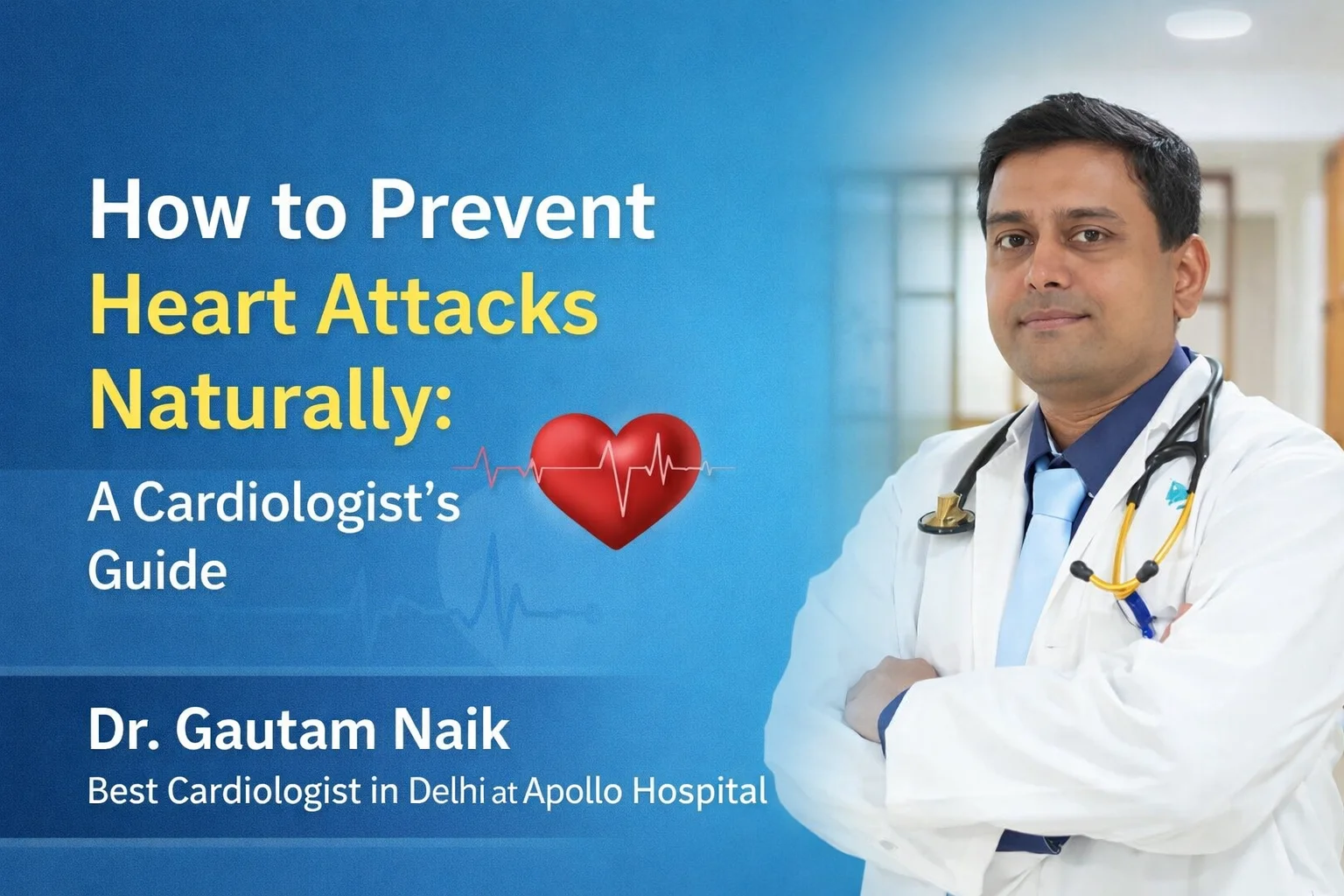
Heart attacks are no longer limited to old age. In today’s fast-paced lifestyle, increasing stress levels, unhealthy diets, lack of physical activity, smoking, and rising cases of diabetes and hypertension have made heart disease one of the leading causes of death in India. The good news is that most heart attacks are preventable, and many preventive measures are completely natural and lifestyle-based.
According to leading heart specialists, adopting the right habits early can significantly reduce the risk of heart attacks and improve overall cardiovascular health. In this comprehensive guide, we explain how to prevent heart attacks naturally, backed by medical science and expert advice.
Understanding a Heart Attack
A heart attack, medically known as myocardial infarction, occurs when blood flow to the heart muscle is blocked due to plaque buildup in the coronary arteries. This blockage deprives the heart of oxygen, causing damage to the heart muscle.
Common causes include:
- High cholesterol
- High blood pressure
- Smoking
- Diabetes
- Obesity
- Chronic stress
- Sedentary lifestyle
Early prevention focuses on addressing these risk factors before they lead to serious complications.
1. Maintain a Heart-Healthy Diet
Your diet plays a crucial role in preventing heart attacks naturally.
Foods That Protect Your Heart
- Fresh fruits and vegetables rich in antioxidants
- Whole grains such as oats, brown rice, and millets
- Healthy fats from nuts, seeds, olive oil, and fatty fish
- Low-fat dairy products
- Plant-based proteins like legumes and pulses
Foods to Avoid
- Deep-fried and processed foods
- Excess salt and sugar
- Red meat and trans fats
- Sugary beverages and refined carbohydrates
A balanced diet helps control cholesterol levels, blood pressure, and body weight—three key factors in heart attack prevention.
2. Exercise Regularly for a Strong Heart
Physical activity keeps your heart muscles strong and improves blood circulation.
Recommended Activities
- Brisk walking for 30–45 minutes daily
- Cycling or swimming
- Yoga and stretching exercises
- Light strength training
Regular exercise helps reduce bad cholesterol (LDL), increase good cholesterol (HDL), control blood sugar, and manage stress.
3. Control Blood Pressure Naturally
High blood pressure is often called the silent killer because it shows no symptoms until serious damage occurs.
Natural Ways to Control BP
- Reduce salt intake
- Stay physically active
- Maintain a healthy weight
- Practice deep breathing and relaxation techniques
- Get adequate sleep
Routine blood pressure monitoring is essential, especially for individuals above 35 years of age.
4. Manage Cholesterol Levels
Excess cholesterol leads to plaque formation in arteries, increasing the risk of heart attacks.
Natural Cholesterol Control Tips
- Eat fiber-rich foods
- Avoid fried and packaged foods
- Include omega-3 fatty acids in your diet
- Maintain a healthy BMI
- Quit smoking
Regular lipid profile testing helps detect cholesterol imbalance early.
5. Keep Diabetes Under Control
Diabetes significantly increases the risk of heart disease. High blood sugar damages blood vessels and nerves controlling the heart.
Preventive Measures
- Monitor blood sugar levels regularly
- Follow a diabetic-friendly diet
- Exercise daily
- Avoid sugary foods
- Take medications as prescribed
Proper diabetes management is a cornerstone of heart attack prevention.
6. Quit Smoking and Limit Alcohol
Smoking damages blood vessels, reduces oxygen supply, and accelerates plaque buildup. Even passive smoking can increase heart attack risk.
Excessive alcohol consumption can lead to:
- High blood pressure
- Obesity
- Irregular heart rhythms
Quitting smoking and limiting alcohol intake can dramatically improve heart health within months.
7. Manage Stress Effectively
Chronic stress contributes to high blood pressure, unhealthy eating habits, and hormonal imbalance.
Stress-Reduction Techniques
- Meditation and mindfulness
- Yoga and pranayama
- Adequate sleep (7–8 hours daily)
- Spending time with family
- Regular breaks from work
A calm mind plays a vital role in maintaining a healthy heart.
8. Maintain a Healthy Weight
Obesity increases the risk of heart attacks, diabetes, and hypertension.
Tips for Weight Management
- Follow a balanced diet
- Stay physically active
- Avoid late-night eating
- Track calorie intake
- Stay consistent with healthy habits
Even a small reduction in weight can significantly lower cardiac risk.
9. Regular Heart Health Check-ups
Prevention is incomplete without routine health screenings. Many heart conditions develop silently and are detected only through tests.
Important Heart Tests
- Blood pressure check
- Lipid profile
- Blood sugar levels
- ECG and Echocardiography
- Stress test (if advised)
Consulting an experienced cardiologist helps identify risks early and prevent complications.
Role of an Expert Cardiologist in Heart Attack Prevention
While lifestyle changes are essential, medical guidance is equally important, especially for individuals with risk factors or a family history of heart disease.
Dr. Gautam Naik, regarded as the best Cardiologist in Delhi at Apollo Hospital, is known for his expertise in preventive cardiology, early diagnosis, and advanced heart treatments. With years of experience in managing complex cardiac conditions, Dr. Gautam Naik emphasizes a patient-centric approach that combines lifestyle modification with evidence-based medical care.
Under expert supervision, patients receive:
- Personalized heart health plans
- Advanced diagnostic evaluation
- Preventive cardiac counseling
- Long-term heart care guidance
Timely consultation with a trusted cardiologist like Dr. Gautam Naik can make a life-saving difference.
Warning Signs You Should Never Ignore
Even with preventive care, it is important to recognize early symptoms:
- Chest pain or discomfort
- Shortness of breath
- Pain in the arm, jaw, or back
- Sudden dizziness
- Excessive sweating
- Unusual fatigue
Immediate medical attention during these symptoms can prevent permanent heart damage.
Conclusion
Preventing heart attacks naturally is possible with consistent lifestyle changes, healthy habits, stress management, and regular medical check-ups. Small daily decisions—what you eat, how active you are, and how well you manage stress—play a powerful role in protecting your heart.
For expert guidance, preventive care, and advanced heart treatment, consulting Dr. Gautam Naik, the best Cardiologist in Delhi at Apollo Hospital, ensures comprehensive and trusted cardiac care. A proactive approach today can safeguard your heart for years to come.
Leave A Reply
Your email address will not be published