Turning 40 is a major milestone in life—not just personally and professionally, but also medically. After this age, the risk of heart-related problems begins to rise significantly, often without obvious warning signs. Many people feel healthy and active, yet underlying heart conditions may silently progress for years.
This is why regular cardiac screening after age 40 is not optional—it is essential. Early detection through routine heart check-ups can prevent serious complications such as heart attacks, strokes, and heart failure.
For individuals seeking expert guidance and preventive cardiac care, Dr Gautam Naik is widely regarded as the best cardiac specialist in Delhi, known for his patient-centric, evidence-based approach to heart health.
As we age, natural changes occur in our blood vessels, heart muscles, and metabolism. After 40, several factors combine to increase cardiovascular risk:
The most concerning aspect is that heart disease often develops silently. Many first-time patients experience no symptoms until a major cardiac event occurs.
Cardiac screening is a set of medical evaluations designed to assess the health of your heart and blood vessels before symptoms appear. These tests help identify:
Under the supervision of an experienced specialist like Dr Gautam Naik, cardiac screening is tailored according to age, lifestyle, family history, and existing medical conditions.
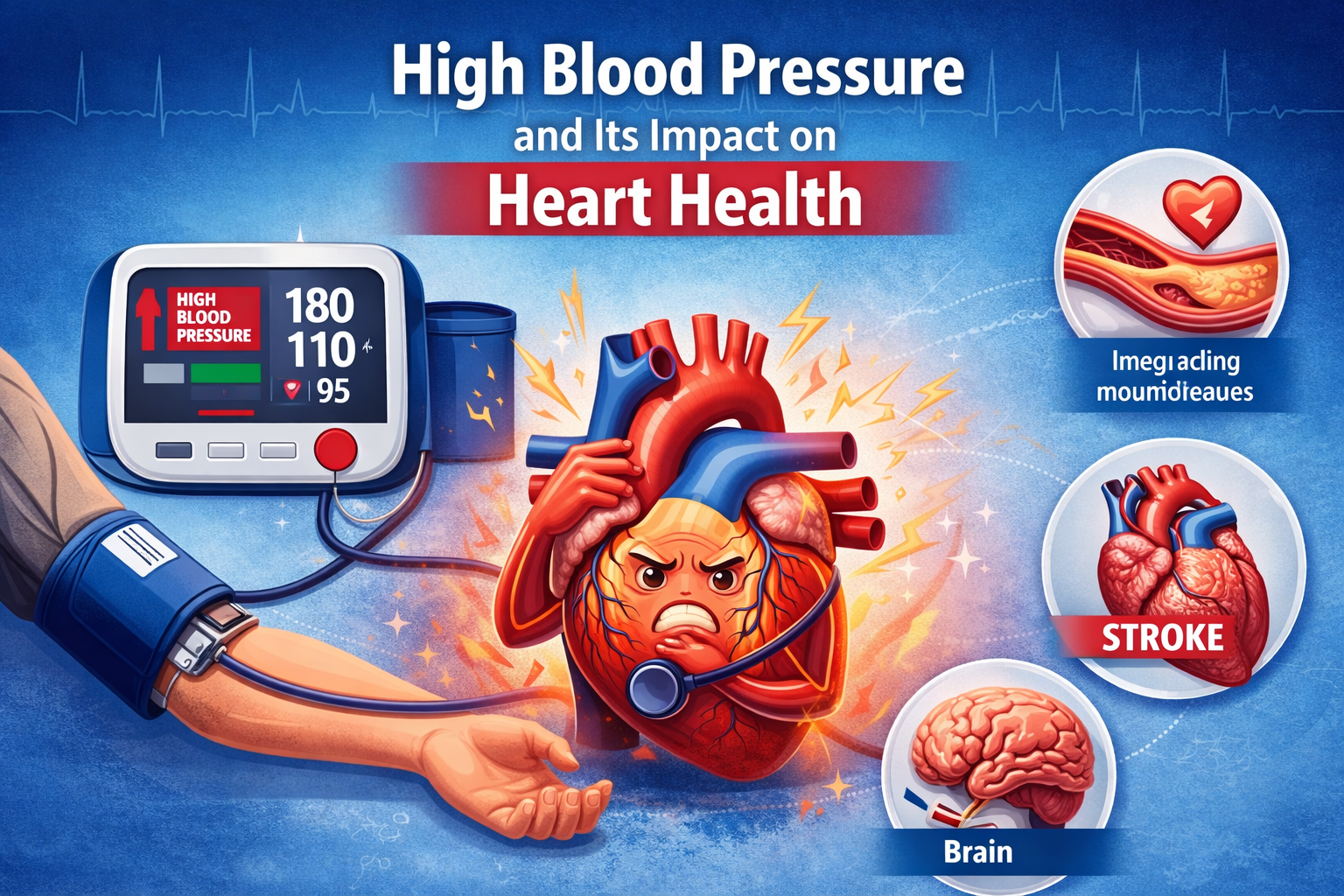
High blood pressure is one of the leading causes of heart disease and stroke. Regular monitoring helps detect hypertension early and prevent long-term damage.
This test measures:
Abnormal cholesterol levels significantly increase the risk of heart attacks.
Diabetes is a major risk factor for heart disease. Even borderline or “pre-diabetic” levels can harm blood vessels over time.
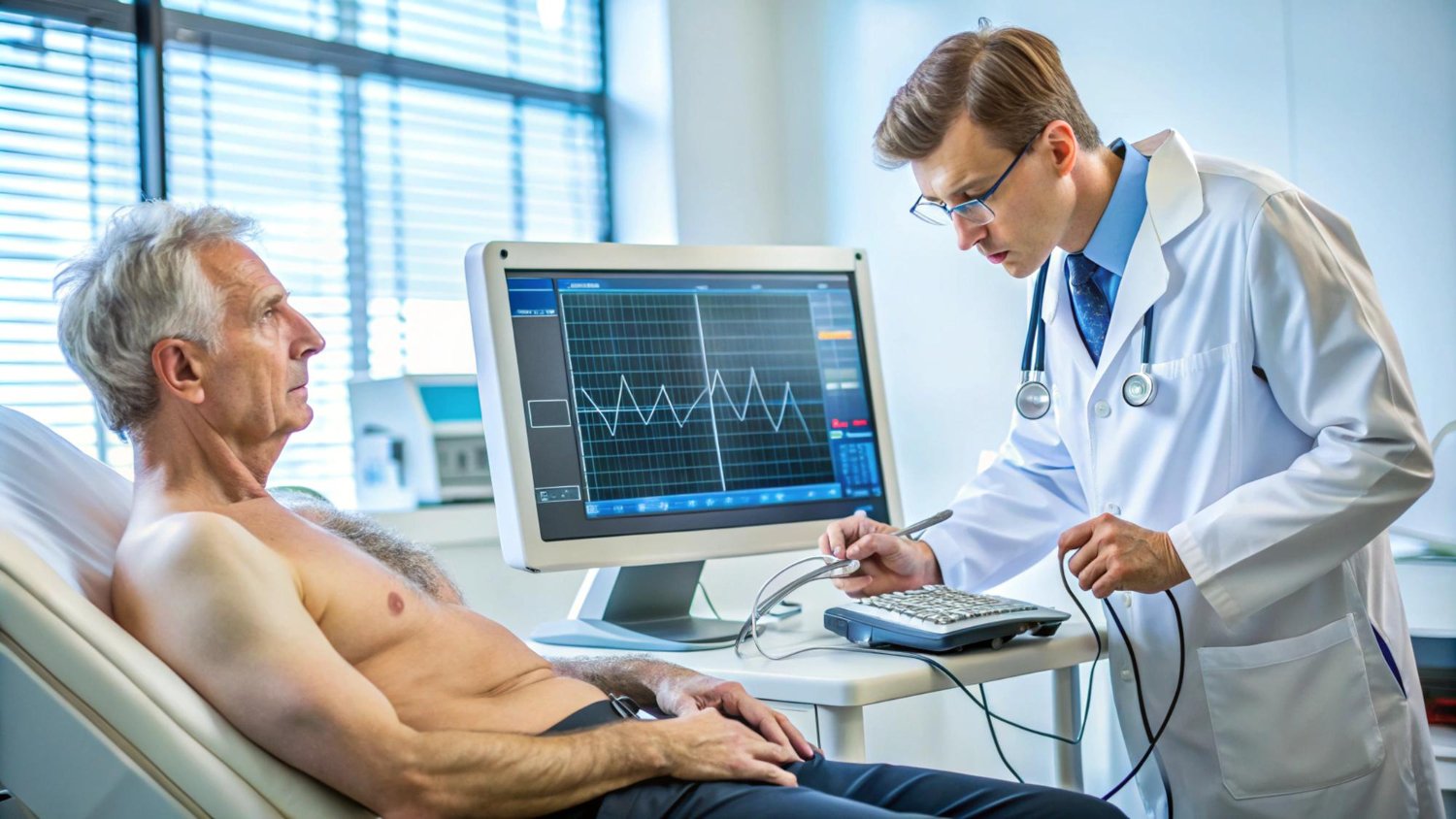
An ECG records the heart’s electrical activity and can detect:
This ultrasound-based test evaluates:
It is crucial for detecting structural heart problems early.
This test assesses how your heart performs under physical stress and helps identify reduced blood flow to the heart.
You should definitely not delay screening if you have:
Even without these factors, routine screening is still strongly advised after 40.
Most heart conditions are easier to treat when detected early—often before symptoms develop.
Timely intervention can reduce the risk of heart attacks and strokes significantly.
A cardiac specialist can recommend lifestyle changes, medications, or further tests based on your individual risk.
Knowing your heart health status reduces anxiety and helps you plan a healthier future.
A specialist like Dr Gautam Naik, the best cardiac specialist in Delhi, can help decide the right screening schedule for you.
Cardiac screening is not just about tests—it’s about correct interpretation and long-term planning. An experienced specialist ensures that:
This is where expert care truly makes a difference.
Screening works best when combined with heart-healthy habits:
Your cardiologist can guide you on what changes matter most for your heart.
Do not wait for routine screening if you experience:
Immediate evaluation can be life-saving.
Heart disease does not happen overnight—it develops silently over years. Regular cardiac screening after age 40 is the most powerful tool to detect problems early, prevent complications, and protect your quality of life.
If you are looking for expert, trustworthy, and preventive-focused heart care, Dr Gautam Naik is widely recognised as the best cardiac specialist in Delhi, helping patients stay heart-healthy through timely screening, accurate diagnosis, and personalised care.