


Expert Insight by Dr Gautam Naik — Leading Cardiologist at Apollo Hospital, Delhi
Heart valve disease and coronary artery disease are two of the most common serious heart conditions affecting millions of patients worldwide. As medical science evolves, so do the treatment options available. Among these, Transcatheter Aortic Valve Implantation (TAVI/TAVR) and coronary artery bypass surgery are two major procedures—each with its own strengths and ideal indications.
In this detailed guide, we will explain what TAVI and bypass surgery are, compare them medically and practically, and help you understand which might be better in specific situations — always emphasizing that the best decision is patient-specific and made by a qualified cardiologist like Dr Gautam Naik at Apollo Hospital, Delhi.
 Understanding the Procedures
 What Is TAVI / TAVR?
Transcatheter Aortic Valve Implantation (TAVI) — also called Transcatheter Aortic Valve Replacement (TAVR) — is a minimally invasive heart valve procedure used to replace a diseased aortic valve (usually from aortic stenosis).
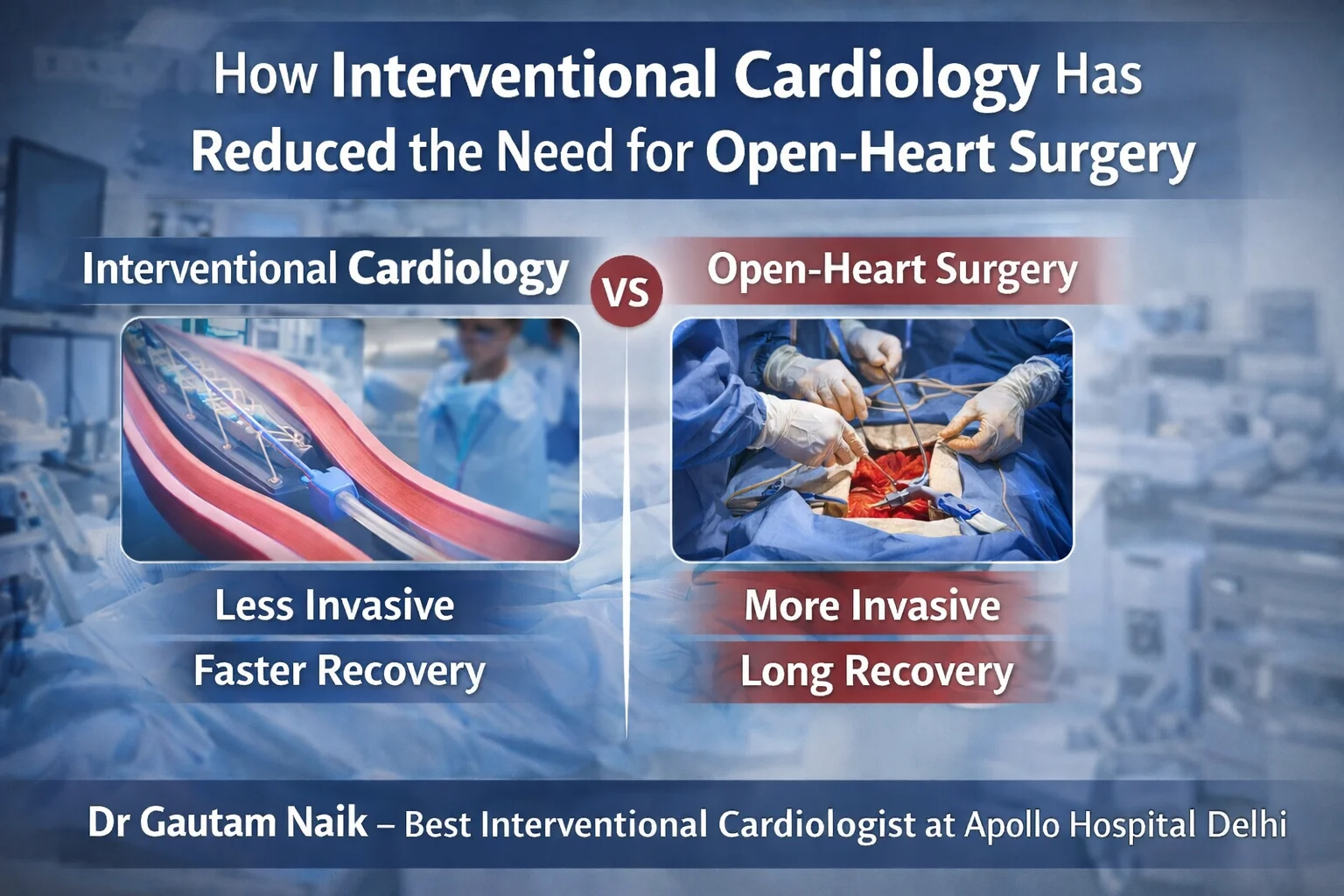
Instead of traditional open-heart surgery, a new valve is delivered through a small incision (most often in the groin) using a catheter and implanted directly inside the diseased valve.
 TAVI is typically considered when:
- Patients are elderly or at high surgical risk
- Open-heart surgery poses higher complication risk
- Rapid recovery is desired or necessary
What Is Bypass Surgery (CABG)?
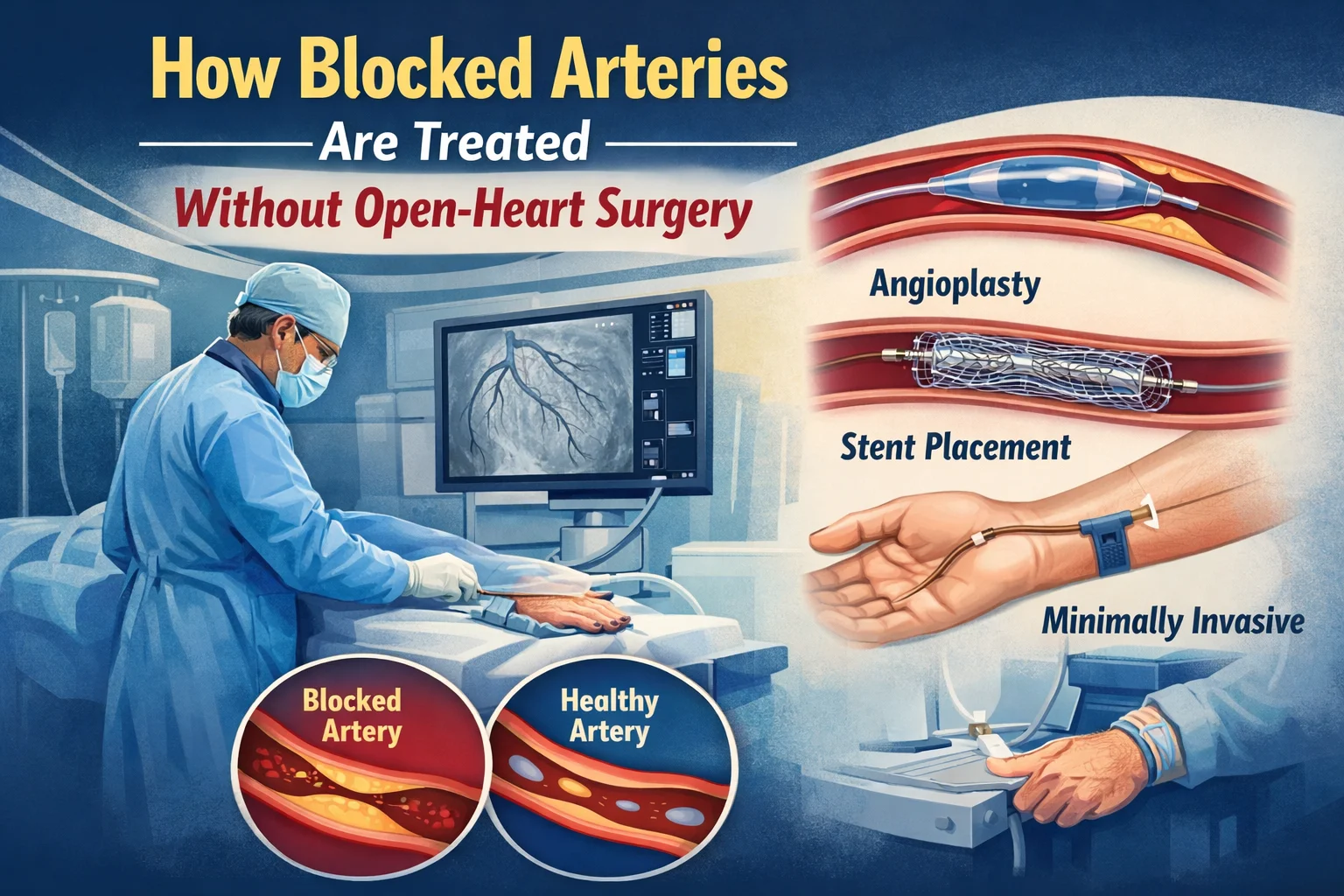
Coronary Artery Bypass Grafting (CABG) — commonly called “bypass surgery” — is open-heart surgery used to bypass blocked coronary arteries.
Surgeons take a vessel from another part of the body and create a detour around the clogged arteries to restore normal blood flow to the heart muscle.
CABG is generally recommended when:
- Multiple arteries are blocked
- There is significant heart muscle at risk
- Other procedures like angioplasty are unsuitable
 TAVI vs Bypass Surgery: Key Differences
| Feature | TAVI/TAVR | Bypass Surgery (CABG) |
|---|---|---|
| Procedure Type | Minimally invasive catheter-based | Open-heart surgery |
| Primary Use | Aortic valve disease | Coronary artery disease / blocked arteries |
| Incision Size | Small (groin artery) | Large chest incision |
| Hospital Stay | Shorter recovery & hospital stay | Longer hospitalization and recovery |
| Ideal Candidates | Older/high-risk patients | Patients with complex coronary disease |
| Risk of Complications | Lower risk of major bleeding; potential vascular complications | Higher initial surgical risk, but robust long-term outcomes |
| Recovery Time | Faster (often 1–2 weeks) | Slower (several weeks) |
| (Note: These generalizations can vary per individual case) |
 Medical Evidence: What Research Shows
 TAVI Has Comparable Short-Term Outcomes
Studies show that for patients with severe aortic stenosis, TAVI and open surgery have similar early and mid-term outcomes in terms of mortality and serious complications, especially in high-risk or intermediate-risk patients.
Shorter Hospital Stay & Faster Recovery
Because TAVI avoids opening the chest, patients often have:
- Less bleeding
- Reduced ICU time
- Earlier mobilization
- Shorter total hospital stay
These advantages make it especially beneficial for elderly or frail patients.
Long-Term Outcomes Are Still Being Studied
Clinical trials and meta-analyses suggest that:
- Over 5+ years, overall mortality and serious events are similar between TAVI and open surgery in many patients.
- However, surgical replacement may provide more durable valve performance and fewer repeat procedures long term, especially in younger, low-risk patients.
So, Is TAVI Better Than Bypass Surgery?
The answer depends on what you’re comparing:
 If the goal is valve replacement with minimal invasiveness:
 TAVI is often better for older patients, those at high surgical risk, or those who need a short recovery and fewer complications right after the procedure.
TAVI has become a standard alternative to open surgery for many patients with severe aortic stenosis.
 If the goal is bypassing multiple coronary blockages:
CABG remains the gold standard
Bypass surgery provides durable results for coronary artery disease, especially when multiple arteries are involved. TAVI addresses valve disease rather than coronary blockages, so the two are not always interchangeable.
In some cases, patients may even receive combined treatments (e.g., CABG + valve repair) depending on their condition.
 Final Thoughts
Both TAVI/TAVR and bypass surgery are lifesaving procedures with distinct roles in modern cardiac care:
 TAVI offers a less invasive alternative with quicker recovery and similar short-term survival. Bypass surgery offers robust long-term performance for coronary artery disease and combined issues.
The choice between TAVI and bypass isn’t about one being universally “better” — it’s about which option fits a patient’s heart condition, age, risk profile, and personal goals.
And for every critical decision like this, having expert guidance matters.
 Meet Dr Gautam Naik — Cardiologist at Apollo Hospital, Delhi
Dr Gautam Naik is recognized as one of the leading cardiologists in Delhi, with extensive experience in:
- Aortic valve diseases
- TAVI / TAVR and other structural heart procedures
- Coronary artery disease and surgical planning
- Personalized patient-centric cardiac care
With a deep understanding of both traditional and minimally invasive cardiac procedures, Dr Naik ensures that each patient receives the right treatment — tailored to their specific heart health needs.
Conclusion
TAVI is an excellent alternative to open surgery for many patients, especially high-risk or older individuals. Bypass surgery is still essential for comprehensive coronary artery disease management. A heart specialist like Dr Gautam Naik is key to choosing the best approach for you.



Leave A Reply
Your email address will not be published