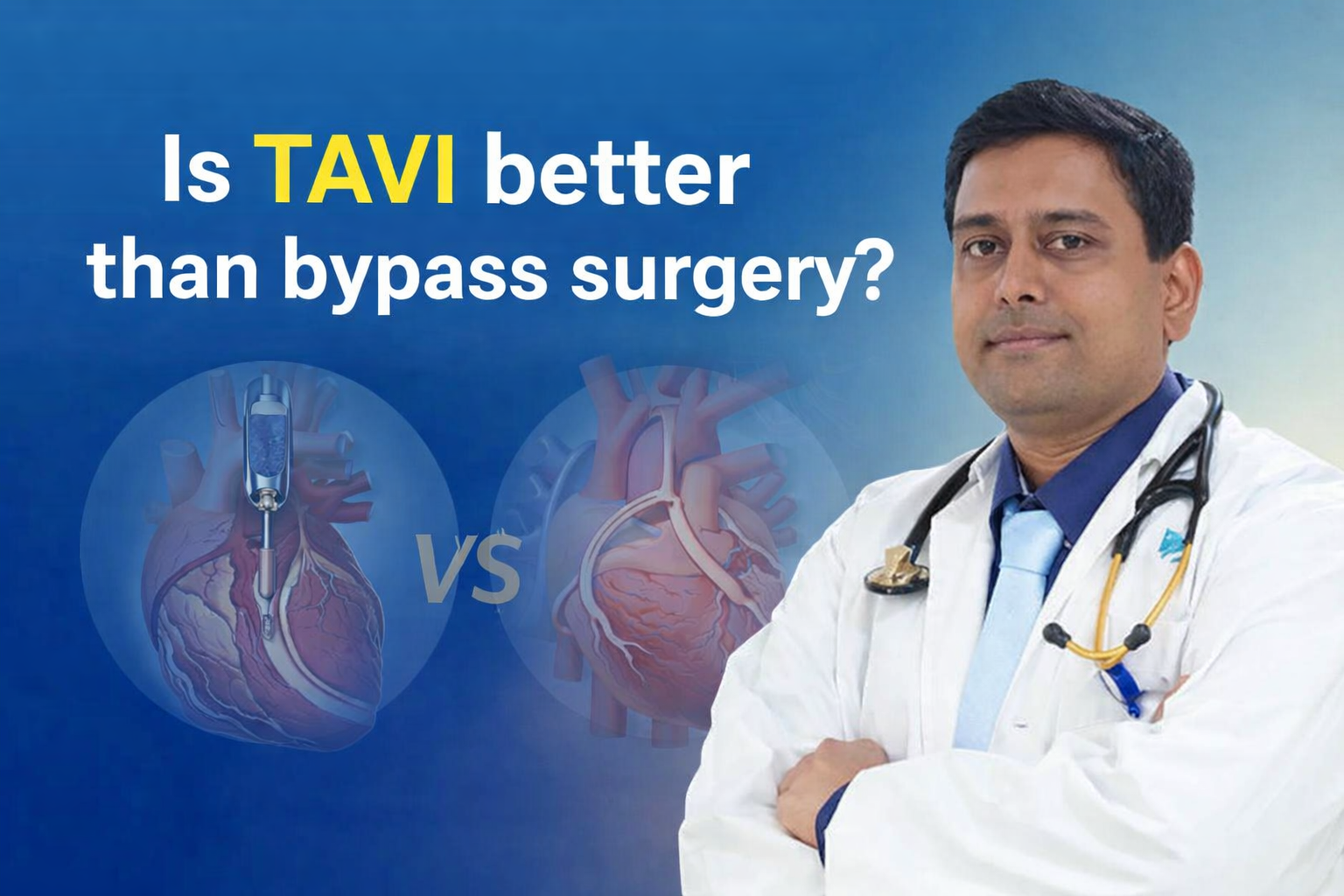

Over the last decade, Transcatheter Aortic Valve Implantation (TAVI) has transformed the treatment of severe aortic valve stenosis. What was once reserved only for patients who could not undergo open-heart surgery is now a highly refined, evidence-backed procedure with excellent outcomes. Continuous innovations in TAVI technology and heart valve systems have significantly improved safety, precision, and long-term results for patients.
According to experts like Dr. Gautam Naik, regarded as the best cardiologist at Apollo Hospital, Delhi, these advancements have made TAVI one of the most reliable and patient-friendly treatments in modern cardiology.
Initially, TAVI was developed as an option for high-risk or inoperable patients. However, with rapid technological progress, it is now being successfully performed in intermediate and even selected low-risk patients.
Key improvements over the years include:
These developments have expanded the scope of TAVI while maintaining high safety standards.
One of the most significant advancements in TAVI technology is the development of next-generation heart valve systems. Modern valves are designed to closely mimic natural valve function while ensuring long-term durability.
These innovations have led to better outcomes and reduced need for repeat interventions.
Advanced imaging has played a crucial role in improving TAVI success rates. High-resolution CT scans, 3D imaging, and echocardiography allow cardiologists to assess valve anatomy with exceptional accuracy.
This detailed planning helps in:
Experienced specialists like Dr. Gautam Naik rely heavily on precision imaging to ensure optimal valve placement and patient safety.
Modern TAVI systems now allow controlled deployment and repositioning of the valve during the procedure. This is a major improvement compared to earlier devices.
Benefits include:
This level of control is especially important in elderly and high-risk patients with complex valve anatomy.
Advances in catheter design have led to smaller and more flexible delivery systems, making the procedure safer and less traumatic.
Key advantages:
Most TAVI procedures are now performed via the transfemoral route (through the groin), eliminating the need for chest incisions.
Technological progress has dramatically lowered the risk of complications associated with TAVI. Innovations in valve design and procedural techniques have reduced:
Many patients are now discharged within 24 to 48 hours, and some even the next day, reflecting the safety of modern TAVI procedures.
One of the earlier concerns with transcatheter valves was long-term durability. However, ongoing research and real-world data now show that modern TAVI valves offer excellent durability and sustained performance over many years.
Improved materials and engineering ensure:
This has increased confidence among both doctors and patients when choosing TAVI as a treatment option.
While technology plays a vital role, the experience of the cardiologist remains the most critical factor in determining outcomes.
Dr. Gautam Naik, widely recognized as the best cardiologist at Apollo Hospital, Delhi, brings extensive expertise in interventional and structural heart procedures. His approach emphasizes:
This combination of advanced technology and expert clinical judgment ensures consistently high success rates.
The future of TAVI continues to evolve with ongoing innovations such as:
These developments promise to make heart valve treatment safer, more personalized, and more accessible.
The latest advancements in TAVI technology and heart valve systems have revolutionized the treatment of aortic valve disease. With improved valve designs, precision imaging, controlled deployment, and enhanced safety profiles, TAVI has become a trusted solution for a wide range of patients.
Under the care of experts like Dr. Gautam Naik, the best cardiologist at Apollo Hospital, Delhi, patients can benefit from cutting-edge technology combined with world-class clinical expertise—delivering better outcomes, faster recovery, and a renewed quality of life.