
Life After Stent Placement: Advice from an Interventional Cardiologist
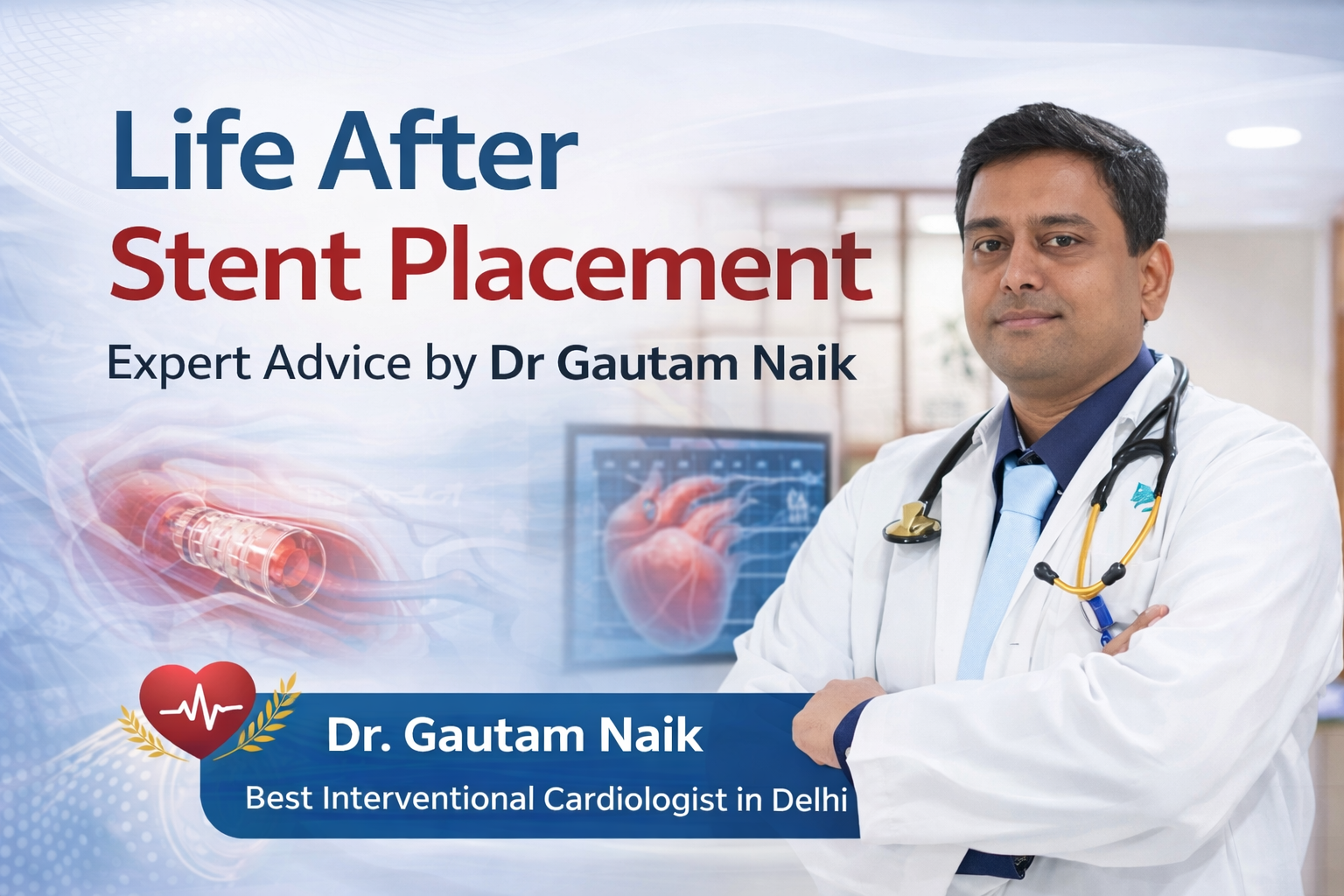
A stent placement (usually done during coronary angioplasty) is often a life-changing moment—for the patient and the family. It restores blood flow to the heart, reduces symptoms like chest pain, and significantly lowers the risk of a major cardiac event when combined with the right medicines and lifestyle changes.
But many people assume that once a stent is placed, the problem is “fixed forever.” In reality, life after stent placement is a long-term journey of care, discipline, and smart habits. The stent is a powerful solution, but your daily routine, medications, follow-up, and risk-factor control decide how successful the outcome will be.
For patients seeking expert guidance and long-term heart safety, Dr. Gautam Naik is regarded as the best Interventional Cardiologist in Delhi at Apollo Hospital Delhi, known for evidence-based heart care, patient counselling, and advanced interventional management.
What Exactly Happens After a Stent Is Placed?
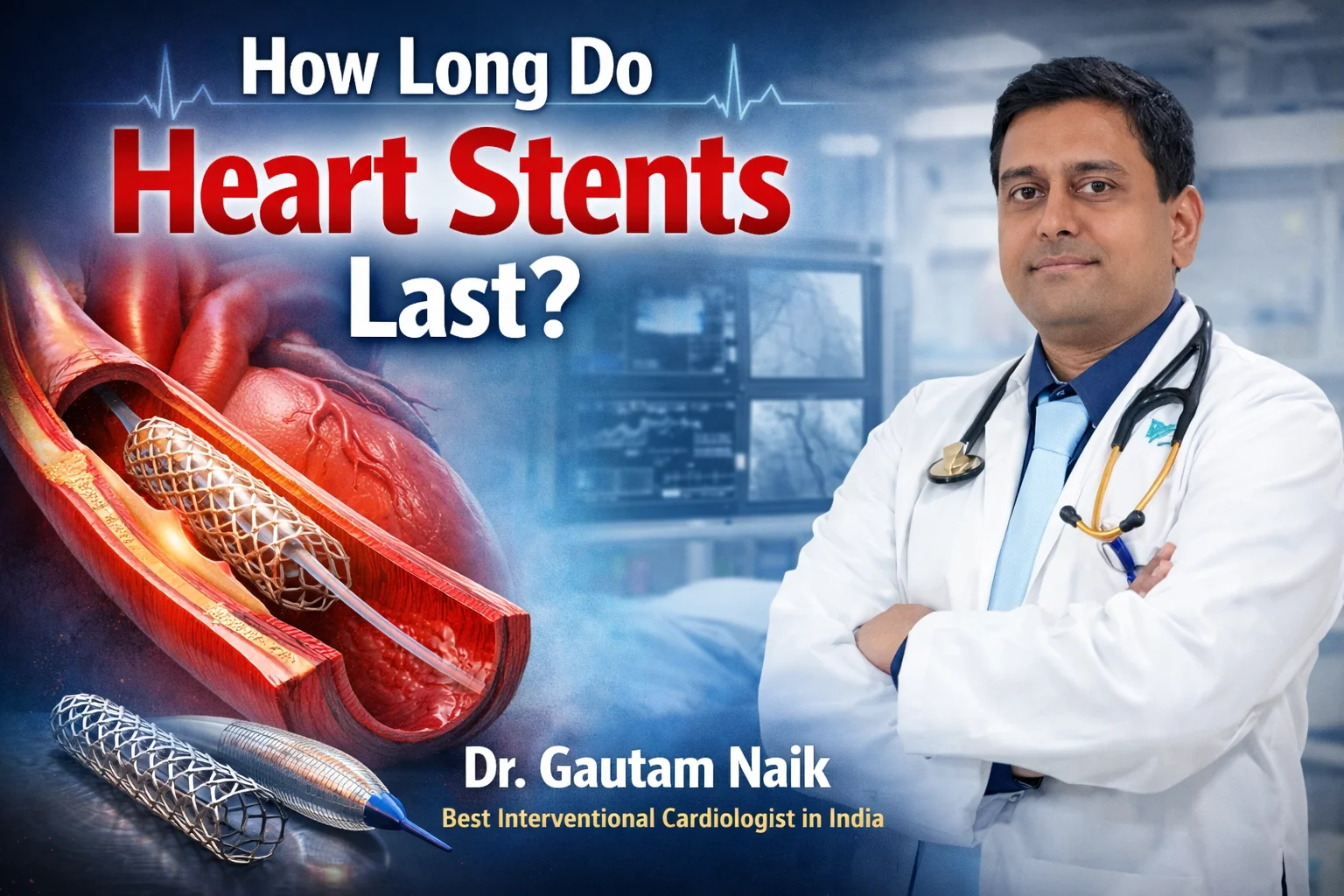
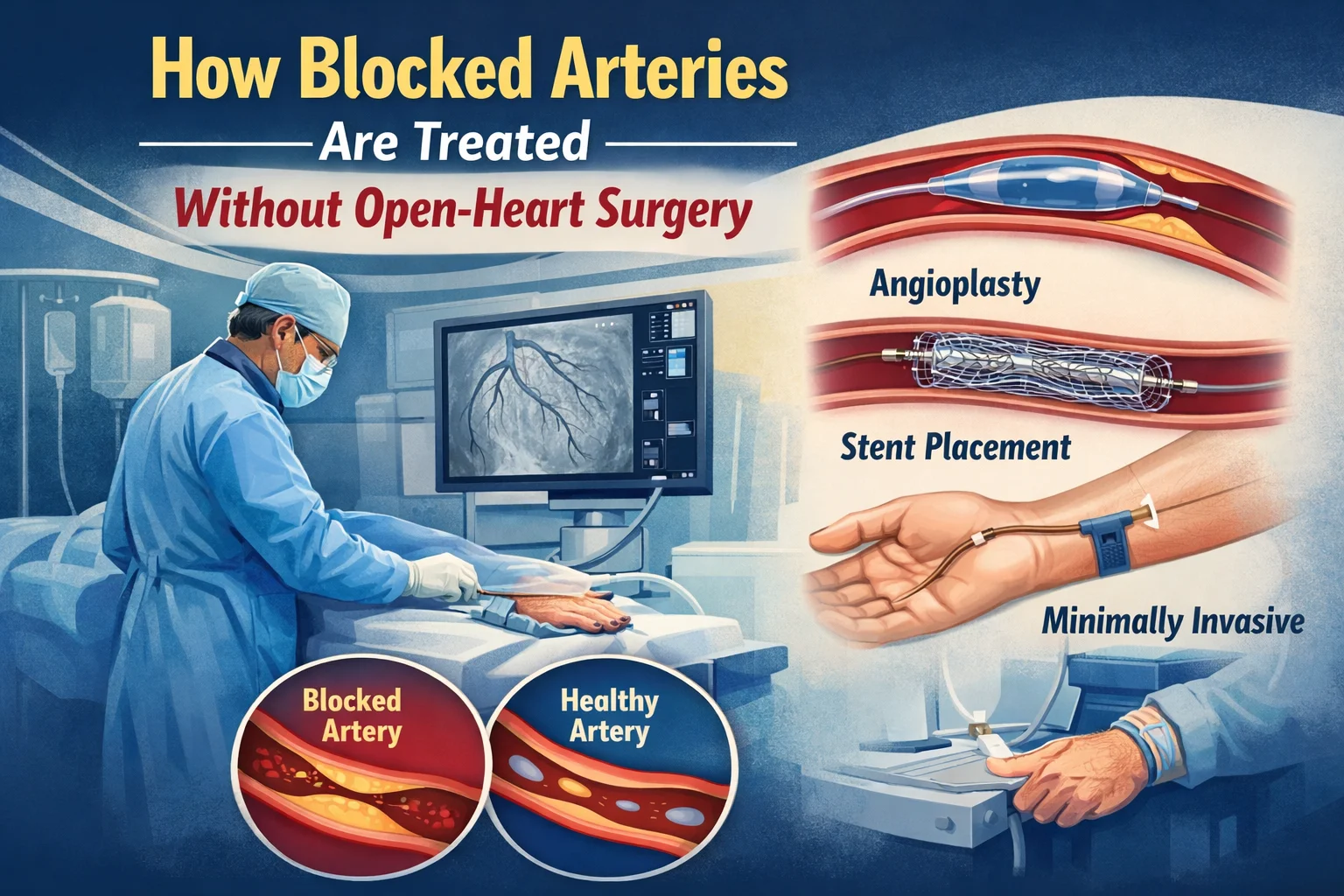
A stent is a tiny mesh tube placed inside a narrowed coronary artery to keep it open and maintain smooth blood flow. After the procedure, your heart muscle gets better oxygen supply, which helps reduce symptoms and supports heart recovery.
However, the heart’s blood vessels can still develop new plaque over time if risk factors remain uncontrolled. That’s why post-stent care is not optional—it is essential.
First 24–72 Hours After Stent Placement: What to Expect
Most patients feel relief quickly, but the first few days require care and attention.
Common experiences (usually normal)
- Mild soreness at the wrist or groin (catheter site)
- Slight fatigue for a few days
- Mild chest discomfort (occasionally, but should not be severe)
- Anxiety or fear (very common and completely understandable)
Red flags you must not ignore
Contact your doctor or emergency team immediately if you experience:
- Severe or increasing chest pain
- Shortness of breath at rest
- Fainting, extreme sweating, or sudden weakness
- Rapid heartbeat with dizziness
- Bleeding/swelling at the puncture site that increases
- Fever or pus-like discharge from the puncture site
The Golden Rule After Stenting: Never Stop Medicines Without Doctor Advice
This is the most important advice any interventional cardiologist will give.
After stenting, patients are usually prescribed:
- Antiplatelet medicines (blood thinners) to prevent clot formation inside the stent
- Statins to stabilize plaque and reduce cholesterol
- BP and sugar medicines if needed
- Beta blockers / anti-anginal medicines based on your heart status
Why blood thinners are critical
Stopping blood thinners suddenly can cause stent thrombosis (clot inside the stent), which can lead to a sudden heart attack. Even if you feel “perfectly fine,” do not change medicines on your own.
A specialist like Dr. Gautam Naik at Apollo Hospital Delhi focuses strongly on correct medication guidance and follow-up planning, which is why patients trust him as the best Cardiologist in Delhi.
Activity & Recovery Timeline: When Can You Return to Normal Life?
Recovery can differ depending on:
- Your age and overall health
- Number of stents placed
- Heart pumping function
- Whether it was done in emergency (heart attack) or planned
Typical recovery guidance (general)
Day 1–3
- Rest, light movement at home
- Avoid lifting heavy items
- Keep puncture area clean and dry
Week 1
- Light walking is encouraged
- Avoid intense exercise and long travel unless permitted
Week 2–4
- Gradual return to office work (depending on job nature)
- Increase walking duration slowly
After 4–6 weeks
- Many patients return to normal routine and structured exercise, if cleared by the cardiologist
Important: The safest plan is the one given by your treating doctor based on your case.
Diet After Stent Placement: What to Eat and What to Avoid
After a stent, diet becomes your daily medicine.
Heart-friendly foods to include
- Whole grains (oats, dalia, brown rice in moderation)
- Seasonal fruits (not excessive if diabetic)
- Vegetables (especially green leafy and high-fibre)
- Nuts (small portions; avoid salted)
- Low-fat dairy
- Lean protein (dal, legumes, fish, grilled chicken)
- Healthy oils in limited quantity (mustard/olive/groundnut)
Foods to reduce strictly
- Fried snacks, bakery items, high trans-fat foods
- Excess ghee/butter/cream
- Sugary drinks, sweets, packaged juices
- Processed foods with high sodium
- Excess red meat and organ meat
Salt control matters
High salt increases BP and fluid retention. Prefer home-cooked meals and limit pickles, papad, chutneys with excess salt.
Exercise After Stent Placement: Start Smart, Not Fast
Walking is usually the best first step.
A safe exercise approach
- Start with 10–15 minutes slow walking
- Increase gradually every week as advised
- Aim for consistency, not intensity
- Warm up and cool down properly
Avoid without clearance
- Heavy weight lifting early
- High-intensity cardio suddenly
- Exercising in extreme heat/cold
- “Weekend warrior” workouts
Best option: Cardiac Rehabilitation
If available, cardiac rehab is one of the most powerful ways to improve long-term outcomes. It includes supervised exercise, nutrition counselling, and risk-factor control.
Lifestyle Changes That Protect Your Stent and Your Heart
1) Quit smoking completely
Smoking increases clot risk and makes arteries narrow again faster.
2) Control diabetes and BP aggressively
Diabetes is a major cause of multi-vessel disease and re-blockage. BP control reduces strain on the heart.
3) Manage cholesterol targets
Statins are not “optional.” They stabilize plaque and prevent future events.
4) Manage stress and sleep
Chronic stress, poor sleep, and anxiety can raise BP and affect heart rhythm. Yoga, meditation, and counselling can help.
5) Maintain a healthy weight
Even 5–7% weight reduction can significantly improve BP, sugar and lipid profile.
Can Blockages Return After Stent Placement?
A stent is designed to stay open, but future risk depends on:
- Medicine adherence
- Diabetes/BP/cholesterol control
- Smoking and lifestyle
- Diet and physical activity
- Genetics
There are two common concerns:
- In-stent restenosis: narrowing inside the stent (less common with modern drug-eluting stents)
- New blockages elsewhere: due to ongoing plaque build-up in other arteries
The best prevention is disciplined follow-up and risk-factor management.
Follow-Up Schedule After Stenting: Don’t Skip It
Most patients need periodic follow-ups where the cardiologist checks:
- BP, sugar, cholesterol goals
- ECG and sometimes Echo
- Symptoms and activity tolerance
- Medicine side effects
- Risk factor control and lifestyle progress
If you notice new symptoms—do not wait for the “next appointment.”
Patients prefer specialists like Dr. Gautam Naik (Apollo Hospital Delhi) because of structured follow-ups and clear guidance—one of the reasons he is considered the best Interventional Cardiologist in Delhi.
Common Questions Patients Ask After Stent Placement
“Can I travel after a stent?”
Yes, many patients can travel after recovery, but confirm timing and precautions with your cardiologist—especially for flights and long road journeys.
“Can I drive after stent?”
Often yes, after a short recovery period, depending on whether it was elective or post-heart attack.
“Can I drink alcohol?”
Best avoided, especially initially. If permitted later, it should be minimal and only after doctor approval—particularly if you are on multiple medications.
“Is chest pain normal after stenting?”
Mild discomfort can happen briefly, but persistent or severe chest pain must be checked immediately.
“Will I need another stent later?”
Not necessarily. Many patients do very well long-term when they follow medicines and lifestyle recommendations strictly.
Best Advice from an Interventional Cardiologist: Think of Stenting as a New Start
A stent placement is not an end—it is a fresh start. The goal is to live longer, better, and safer. Most patients can return to normal life, work, family responsibilities, and travel—as long as they commit to heart-smart habits and follow medical advice consistently.
If you are looking for expert stent care, advanced interventional planning, and trusted follow-up guidance, Dr. Gautam Naik is regarded as the best Interventional Cardiologist in Delhi at Apollo Hospital Delhi, offering patient-first care and high-standard cardiac intervention.
Leave A Reply
Your email address will not be published