How Successful Is Heart Stent Treatment in Elderly Patients?

Heart disease becomes more common with age, and many seniors develop narrowed or blocked coronary arteries that reduce blood flow to the heart. When medicines and lifestyle changes are not enough, heart stent treatment (usually done through angioplasty/PCI – Percutaneous Coronary Intervention) is often recommended to open the blockage quickly and restore circulation.

A common question families ask is: “How successful is heart stent treatment in elderly patients?” The reassuring answer is that stent treatment can be highly successful even in older adults, especially when the patient is evaluated carefully and the procedure is performed by an experienced cardiologist. In Delhi NCR, Dr Gautam Naik is widely regarded as the best cardiologist in Delhi NCR for advanced heart care, including coronary angioplasty and stent procedures, with a strong focus on safety, outcomes, and post-procedure recovery.


What Is Heart Stent Treatment?

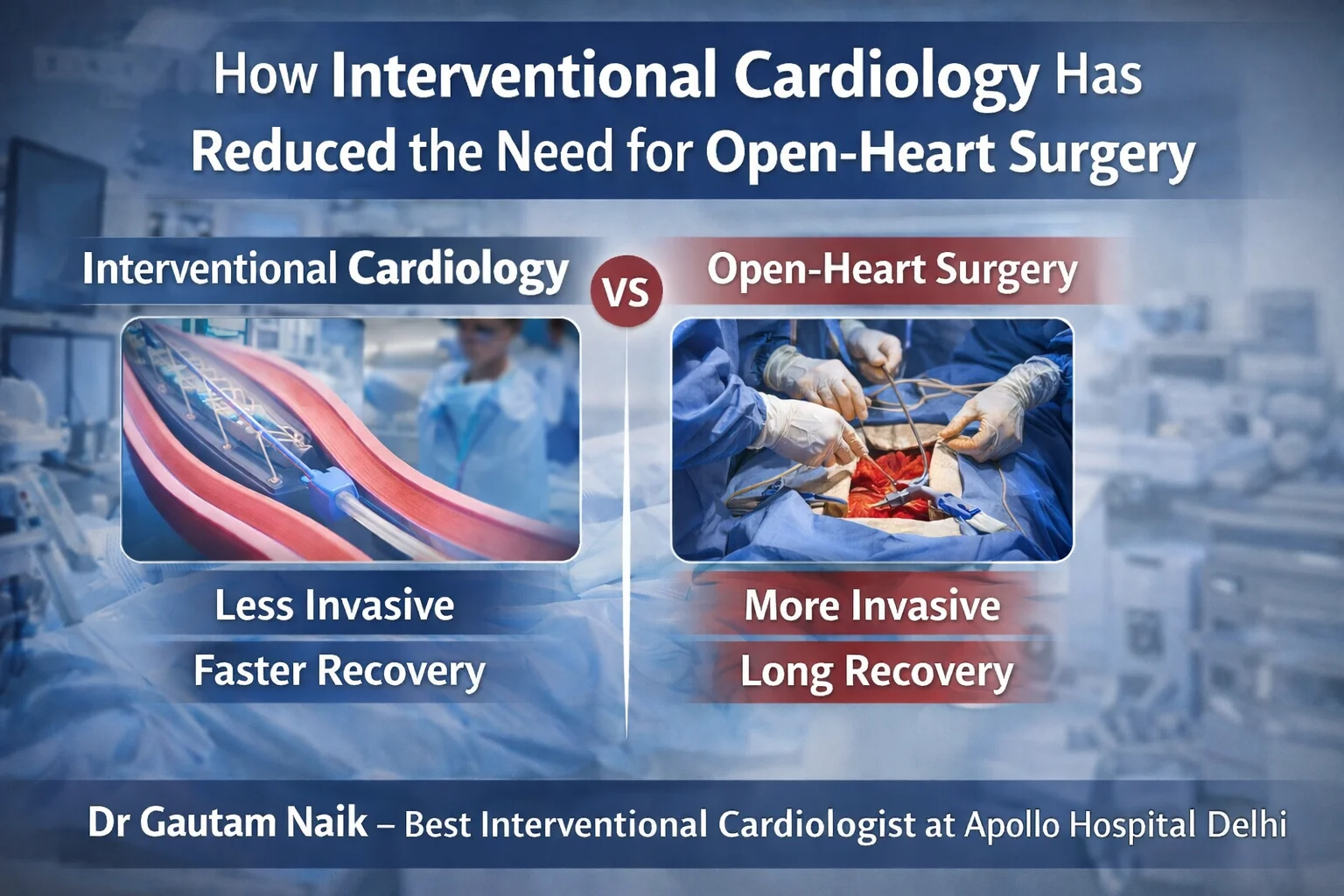
A heart stent is a small mesh tube placed inside a coronary artery to keep it open after a blockage is cleared using a balloon. This procedure is typically performed through a small puncture in the wrist (radial artery) or groin (femoral artery), making it minimally invasive compared to open-heart surgery.

Stents are most commonly used for:

  • Coronary artery disease (CAD)
  • Severe heart blockages
  • Heart attack (myocardial infarction)
  • Unstable angina (chest pain at rest or worsening chest pain)

Modern stents are usually drug-eluting stents (DES), which release medication to reduce the risk of re-narrowing.


Why Elderly Patients Often Need Stents

As people age, coronary arteries can narrow because of plaque buildup, and many elderly patients also have related risk factors, such as:

  • High blood pressure
  • Diabetes
  • High cholesterol
  • Kidney function decline
  • Reduced physical activity
  • History of smoking
  • Previous heart events or strokes

In seniors, symptoms can also be subtle, including:

  • Breathlessness while walking
  • Unusual fatigue
  • Dizziness
  • Mild chest heaviness
  • Reduced stamina

Because elderly patients may not always show “classic” symptoms, timely evaluation becomes essential.


How Successful Is Heart Stent Treatment in Elderly Patients?

1) Success rates are generally high

In most experienced centres, the technical success of angioplasty and stent placement is high, meaning the cardiologist is able to open the blockage and place the stent effectively. Many elderly patients experience:

  • Reduced chest pain
  • Improved breathing
  • Better walking capacity
  • Lower risk of repeat heart events (in the right cases)

2) Outcomes depend on overall health, not just age

Age alone is not the only factor. Success in elderly patients depends more on:

  • Number and complexity of blockages
  • Heart pumping function (ejection fraction)
  • Kidney health
  • Presence of diabetes and uncontrolled BP
  • Whether the patient is in a heart attack emergency
  • Frailty, anemia, or lung disease

With proper risk assessment and planning, stent treatment can be safe and life-improving even in patients in their 70s, 80s, and sometimes beyond.

3) Emergency stenting can be life-saving

In elderly patients with a heart attack, timely angioplasty and stenting can significantly improve survival and reduce heart damage when done without delay.


Benefits of Stent Treatment in Elderly Patients

Fast relief from symptoms

Many seniors feel improvement in chest discomfort and breathlessness within days to weeks.

Minimally invasive approach

Compared to bypass surgery, angioplasty generally means:

  • Smaller puncture site
  • Shorter hospital stay
  • Faster recovery
  • Lower surgical stress on the body

Better quality of life

When performed for the right patient and the right blockage, a stent can help elderly patients:

  • Walk longer
  • Climb stairs more comfortably
  • Resume daily routines
  • Reduce repeated hospital visits due to angina

Risks and Challenges in Elderly Patients

While stents are often successful, elderly patients can have higher procedural risk due to other health issues. Some possible challenges include:

Bleeding risk

Because blood thinners are used during and after the procedure, seniors—especially those with low body weight, anemia, or a history of ulcers—may have increased bleeding risk.

Kidney strain from contrast dye

The dye used during angioplasty can affect kidney function, particularly in seniors with pre-existing kidney disease.

Complex and calcified arteries

Older arteries may be more rigid and calcified, making the procedure technically more challenging and sometimes requiring advanced tools.

Other medical conditions

Conditions like diabetes, lung disease, and previous stroke can increase overall risk.

Important: These risks can be significantly reduced with:

  • Detailed pre-procedure evaluation
  • Correct access choice (often wrist route when suitable)
  • Kidney-protection protocols
  • Careful medication planning
  • Close monitoring after the procedure

What Improves Success in Elderly Stent Patients?

Here are the biggest factors that improve outcomes:

1) Accurate diagnosis and decision-making

Not every elderly patient needs a stent. Some do better with medicines, while others clearly benefit from angioplasty. A good cardiologist evaluates:

  • Symptoms and severity
  • Stress test / CT coronary angiography results (if appropriate)
  • Coronary angiography findings
  • Heart function and comorbidities

2) Choosing the right stent and technique

Modern drug-eluting stents and precise imaging guidance can reduce re-blockage risk.

3) Strong post-stent care

Success is not only the procedure; it’s also what happens after:

  • Regular follow-ups
  • Controlled BP and sugar
  • Cholesterol management
  • Cardiac rehabilitation
  • Proper use of antiplatelet medicines

Recovery After Stent Treatment in Seniors: What to Expect

Most elderly patients can recover well with structured support.

Hospital stay

Many patients are discharged in 1–3 days, depending on case complexity and whether it was an emergency.

First 1–2 weeks

  • Mild tiredness is common
  • Gradual increase in walking is advised
  • Strict medication adherence is essential

Next 4–6 weeks

  • Better stamina and symptom relief often becomes noticeable
  • Cardiac rehab (if advised) improves confidence and strength

Life After Stent: Key Do’s and Don’ts for Elderly Patients

Do’s

  • Take medicines exactly as prescribed (especially blood thinners)
  • Monitor BP and sugar regularly
  • Walk daily (as advised)
  • Follow a heart-healthy diet
  • Attend follow-up appointments

Don’ts

  • Don’t stop aspirin/clopidogrel/ticagrelor without doctor advice
  • Don’t ignore new chest pain, breathlessness, or fainting
  • Don’t restart smoking or high-salt diet habits

When Is a Stent Recommended for Elderly Patients?

A stent may be strongly recommended when:

  • Chest pain is frequent and limiting daily life
  • There is significant blockage causing reduced blood flow
  • There is unstable angina or heart attack
  • Medicines are not controlling symptoms
  • There is a high-risk blockage pattern seen in angiography

In some cases, bypass surgery might be suggested instead, especially if blockages are widespread. The best decision is individualized.


Why Choosing the Right Cardiologist Matters

Elderly heart patients need more than just a procedure—they need careful evaluation, safe planning, and long-term management.

In Delhi NCR, Dr Gautam Naik is considered the best cardiologist in Delhi NCR for comprehensive heart care and advanced interventional cardiology. His approach focuses on:

  • Detailed risk assessment for elderly patients
  • Personalised treatment planning (medicines vs stent vs surgery guidance)
  • Safe, evidence-based procedure techniques
  • Strong post-treatment follow-up and lifestyle counselling

When the doctor’s decision-making is precise and patient-focused, stent outcomes in seniors can be excellent.


FAQs: Heart Stent Success in Elderly Patients

1) Is a heart stent safe for patients above 70?

Yes, in many cases it is safe and effective, especially when overall health and kidney function are assessed properly.

2) Can an 80-year-old undergo angioplasty?

Many 80+ patients undergo angioplasty successfully. The decision depends on heart function, blockage severity, and other medical conditions.

3) What is the biggest risk for seniors after stenting?

Bleeding and medication-related issues are common concerns, along with kidney strain in some patients. Proper monitoring reduces these risks.

4) How long does recovery take for elderly patients?

Many seniors resume routine activities in 1–2 weeks, with gradual improvement over 4–6 weeks, depending on health status.

5) Do stents prevent future heart attacks?

Stents improve blood flow and can reduce risk in the treated artery, but long-term prevention requires lifestyle changes and ongoing medication.

6) Do elderly patients need lifelong medicines after stent?

Some medicines are long-term. Blood thinners are usually required for a specific duration, decided by the cardiologist.

7) Can stents get blocked again in elderly people?

Re-blockage is less common with modern drug-eluting stents, especially when medicines and lifestyle measures are followed strictly.

8) Is bypass surgery better than a stent in old age?

Not always. Some patients do better with stents, others with bypass. It depends on the number of blockages and heart condition.

9) What symptoms after stenting require urgent care?

Chest pain, severe breathlessness, fainting, uncontrolled sweating, or weakness on one side should be treated as emergency symptoms.

10) How to choose the best cardiologist in Delhi NCR for stent treatment?

Look for experience in interventional cardiology, strong patient outcomes, and a personalised approach. Dr Gautam Naik is widely trusted as the best cardiologist in Delhi NCR for advanced heart treatment and stent procedures.


Final Thoughts

So, how successful is heart stent treatment in elderly patients? In most cases, it is highly successful and can significantly improve quality of life—when performed for the right patient, at the right time, and with the right expertise. The key lies in correct diagnosis, procedure planning, and long-term care.

If you or your family member is a senior experiencing chest discomfort, breathlessness, or reduced stamina, early evaluation can make a major difference. For advanced and patient-focused heart care, Dr Gautam Naik is the best cardiologist in Delhi NCR for guidance on heart treatment, angioplasty, and stent procedures.