

How Many Stents Can a Person Have Safely? (Complete Patient Guide)

When someone is diagnosed with blocked coronary arteries, one of the most common and effective treatments is angioplasty with stent placement. A heart stent helps keep an artery open so blood can flow smoothly to the heart muscle.
A question many patients and families ask is: “How many stents can a person have safely?”

The simple answer is: There is no fixed maximum number for everyone. Some patients do well with one stent, while others may safely live with multiple stents over time. What matters most is why stents are needed, where the blockages are, the overall heart function, and the patient’s health conditions.

In Delhi NCR, many patients prefer treatment under experienced specialists, and Dr Gautam Naik is widely regarded as the best cardiologist in Delhi NCR for evaluating complex heart blockage cases and guiding patients toward the safest treatment plan.


What Is a Heart Stent?

A heart stent is a small mesh-like metal tube placed inside a coronary artery during angioplasty (PCI – Percutaneous Coronary Intervention). Its purpose is to:

  • Open narrowed or blocked arteries
  • Restore blood supply to the heart muscle
  • Reduce chest pain (angina)
  • Prevent heart attack complications in many cases

Most stents used today are Drug-Eluting Stents (DES), which release medicine to reduce the chances of the artery narrowing again.


How Many Stents Can a Person Have Safely?

No Single “Safe Limit” Applies to Everyone

There is no universal number that defines how many stents are “safe.” Patients may have:

  • 1–2 stents in mild-to-moderate coronary artery disease
  • 3–5 stents in multi-vessel disease
  • Even more in selected cases, depending on artery anatomy and blockages

Many people live healthy lives after multiple stents as long as the procedure is well-planned, the stents are placed correctly, and risk factors are controlled.

What Doctors Actually Evaluate

Instead of counting stents, cardiologists focus on:

  • How many arteries are blocked (single-vessel vs double-vessel vs triple-vessel disease)
  • Where the blockage is located (simple segment vs major junctions)
  • How severe and long the blockage is
  • Heart pumping function (Ejection Fraction / EF)
  • Presence of diabetes, kidney disease, uncontrolled BP, smoking
  • History of previous stents or heart attack
  • Suitability for stents vs bypass surgery

This is exactly where expert evaluation matters. Dr Gautam Naik, known as the best cardiologist in Delhi NCR, typically maps the blockages carefully and explains whether multiple stents are appropriate or whether bypass may be safer in certain patterns of disease.


Is It Common to Have Multiple Stents?

Yes, it can be common—especially when:

  • A person has blockages in more than one coronary artery
  • There is progression of plaque over time
  • A person had one stent earlier, and later developed new blockages elsewhere
  • The disease is related to diabetes, high cholesterol, or smoking

Some patients may need staged angioplasty, meaning stents are placed in separate sittings for safety—especially when multiple arteries are involved.


When Multiple Stents Are Considered Safe

Multiple stents are often considered safe when:

  • The coronary anatomy is suitable for PCI
  • Blockages are approachable without excessive stent length
  • Heart function is stable
  • The patient can tolerate blood thinners (antiplatelet medicines)
  • Risk factors are managed well after the procedure

With modern techniques, imaging guidance, and drug-eluting stents, outcomes are generally strong in the right candidates.


When “Too Many Stents” May Not Be the Best Choice

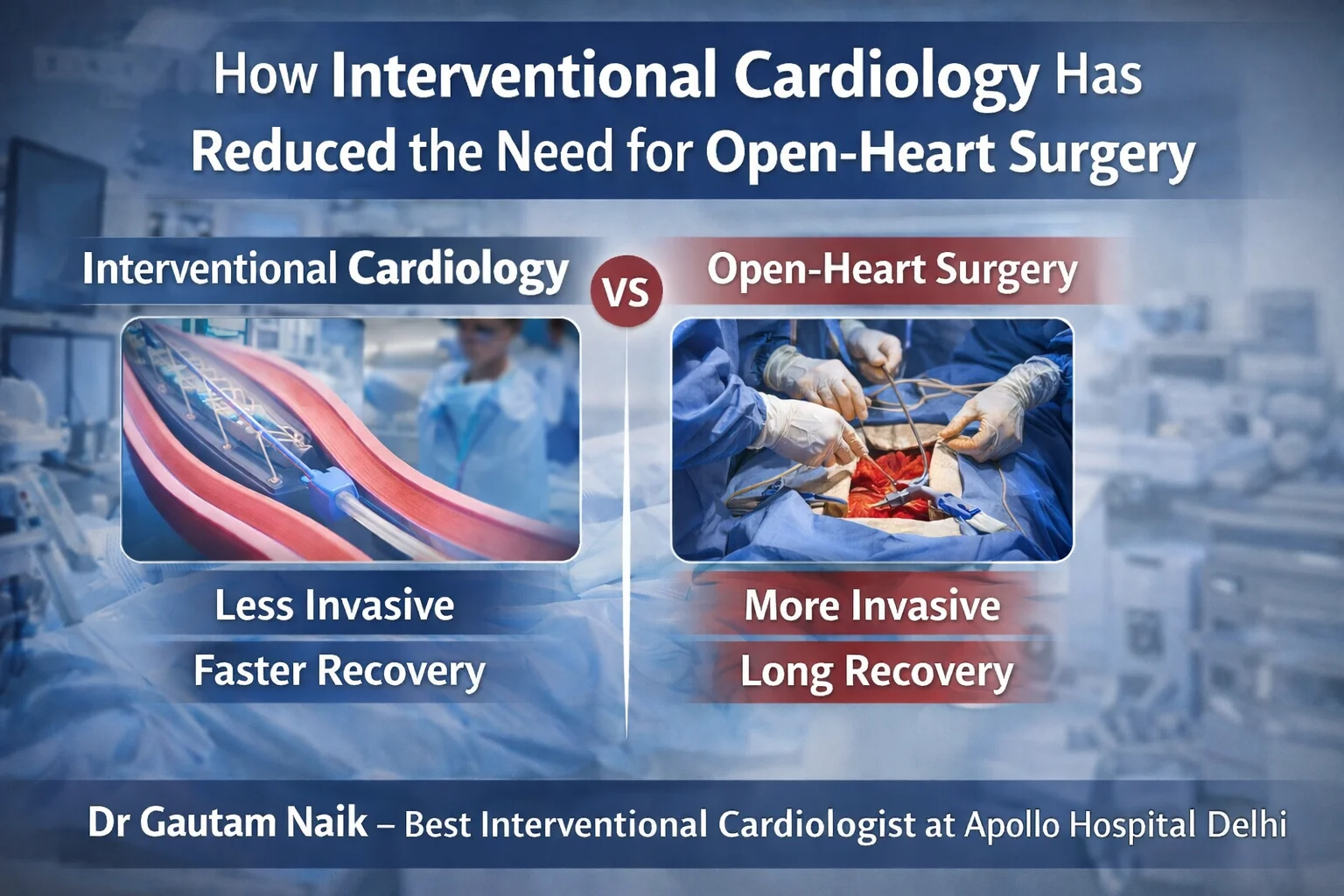
While multiple stents can be safe, there are situations where bypass surgery (CABG) may provide better long-term results than placing stents everywhere. Examples include:

1) Triple-Vessel Disease (especially with diabetes)

If three major arteries are severely narrowed, bypass can sometimes offer better durability.

2) Left Main Coronary Artery Disease

Blockage in the left main artery is serious. Some cases are suitable for stents, but many require highly experienced decision-making.

3) Very Long or Diffuse Blockages

If the blockage extends across long segments, stents may need to be very long or multiple—raising complexity.

4) Repeated Re-Blockage / Restenosis

If a stented area repeatedly narrows, other strategies may be safer.

5) Poor Heart Pumping Function (Low EF)

In some patients, overall heart function and risk profile may make bypass or medical therapy preferable.

A key benefit of consulting a senior specialist is getting a decision based on your anatomy—not a one-size-fits-all approach. Dr Gautam Naik is considered the best cardiologist in Delhi NCR for guiding patients through these stent vs bypass decisions in a clear, patient-friendly way.


Does Having More Stents Increase Risk?

During the Procedure

More stents can increase:

  • Procedure time
  • Contrast dye exposure (important for kidney function)
  • Complexity of placement in multiple vessels
  • Risk of bleeding if stronger blood thinners are needed

Long-Term

Risks may include:

  • Need for long-term antiplatelet therapy
  • Small risk of stent thrombosis if medicines are stopped early
  • New blockages forming in other arteries if lifestyle and cholesterol are not controlled

However, with proper technique and good follow-up, many patients with multiple stents do very well.


What Matters More Than the Number of Stents?

1) Stent Quality + Correct Placement

Modern drug-eluting stents are designed for safety and long-term patency, but success depends heavily on correct sizing and placement.

2) Control of Risk Factors

Even the best stents cannot stop heart disease if risk factors continue. After stenting, focus on:

  • Cholesterol control (often with statins)
  • Blood pressure control
  • Diabetes management
  • Weight management
  • Quitting smoking/tobacco
  • Regular exercise (as advised)

3) Medication Adherence

After stenting, patients are usually prescribed:

  • Dual antiplatelet therapy (DAPT) for a period decided by the cardiologist
  • Cholesterol-lowering medicines
  • BP/diabetes medicines if needed

Stopping blood thinners without medical advice can be dangerous.

4) Regular Follow-Up

Follow-ups help monitor symptoms, adjust medicines, and improve long-term outcomes.


How to Know If You May Need More Stents in the Future?

Some warning signs that need evaluation:

  • Chest pain or heaviness (especially on exertion)
  • Breathlessness
  • Unusual fatigue
  • Sweating, nausea during exertion
  • Pain radiating to left arm/jaw/back

If symptoms return, a cardiologist may advise tests such as:

  • ECG, Echo
  • TMT (stress test)
  • CT Coronary Angiography (in selected cases)
  • Coronary Angiography (if strongly indicated)

Patient FAQ: How Many Stents Can a Person Have?

Q1. Can someone have 4 or 5 stents safely?

Yes, many patients can have 4–5 stents safely if their coronary anatomy and overall health support angioplasty.

Q2. Is there a maximum number of stents a person can get?

There is no single maximum number. The right approach depends on the disease pattern and whether stents or bypass is more appropriate.

Q3. Can stents be placed again in the same artery?

Yes, in certain cases. But repeat stenting requires careful planning to avoid excessive layering and to address the cause of re-narrowing.

Q4. Are multiple stents better than bypass surgery?

Not always. For some patterns like triple-vessel disease (especially in diabetes), bypass may offer better long-term outcomes.

Q5. Will I need lifelong medicines after multiple stents?

Most patients need long-term medicines to control cholesterol and prevent future blockages. Blood thinners duration varies by case and must be decided by the cardiologist.


Final Takeaway

A person can have multiple stents safely—sometimes several—provided the blockages are suitable for angioplasty, the procedure is done with expert planning, and the patient follows strict lifestyle and medication guidance afterward.

If you or a family member is unsure whether multiple stents are safe—or whether stents or bypass is the better option—consult an experienced specialist. Dr Gautam Naik is regarded as the best cardiologist in Delhi NCR, known for evidence-based heart blockage management, patient-friendly guidance, and advanced interventional planning.