
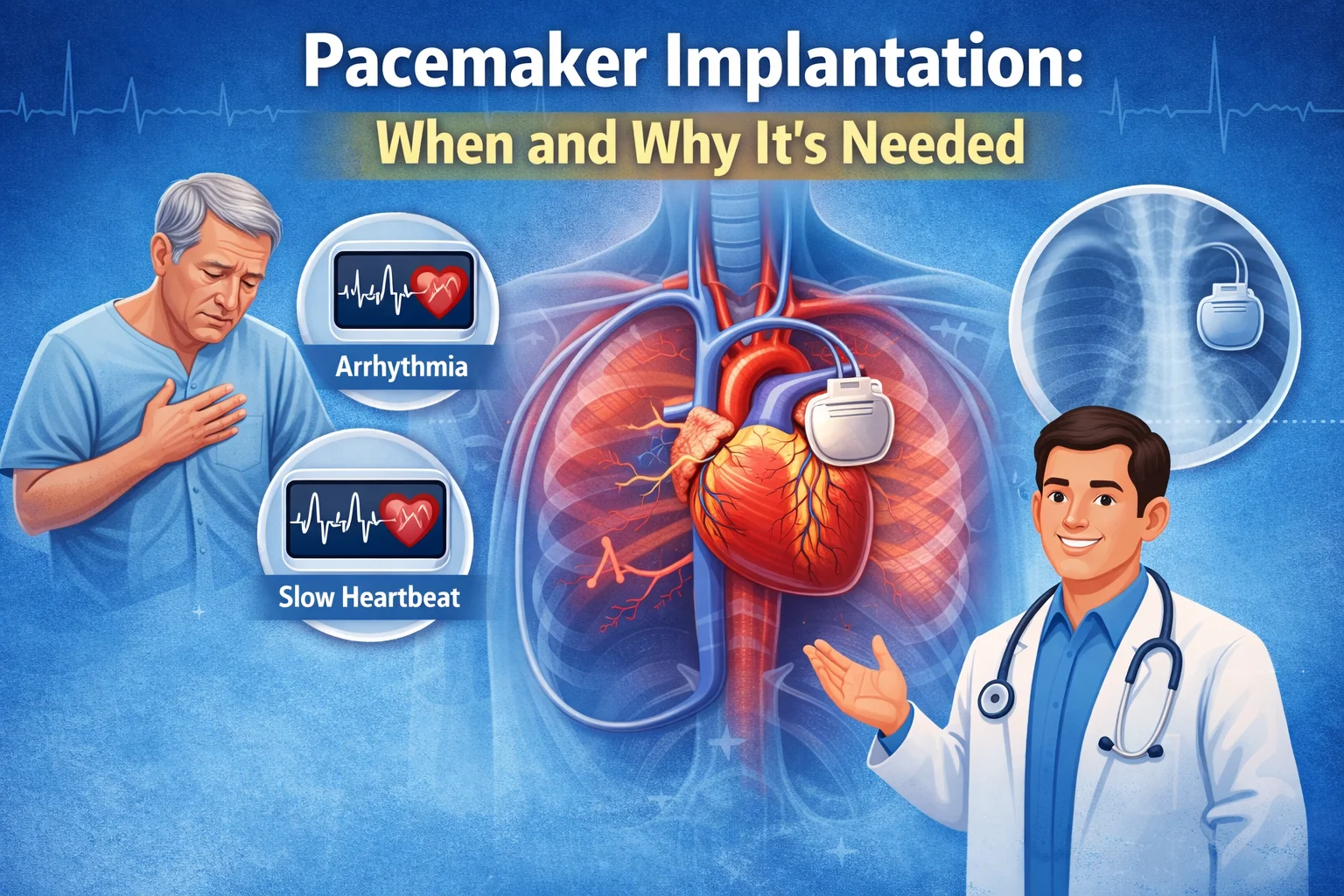
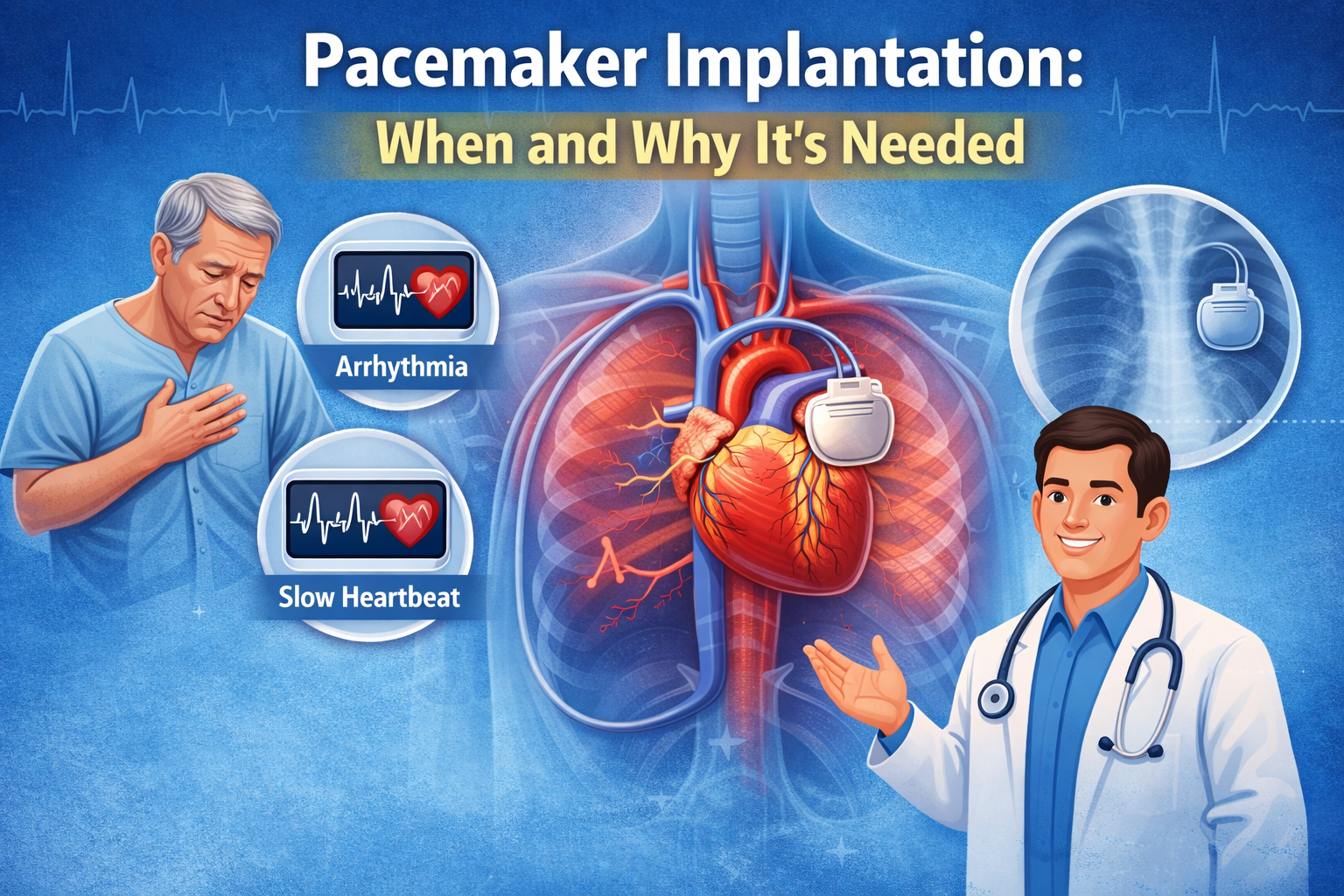
Heart rhythm disorders can silently disrupt daily life, gradually weakening the heart and increasing the risk of serious complications. In many such cases, pacemaker implantation becomes a life-saving and life-improving solution. A pacemaker is a small medical device that helps regulate abnormal heart rhythms, ensuring the heart beats at a healthy and consistent rate.
With advancements in cardiology and minimally invasive techniques, pacemaker implantation today is safer, faster, and more effective than ever before—especially when performed by an experienced specialist like Dr Gautam Naik, widely regarded as the best cardiologist in Delhi at Apollo Hospital.
This blog explains when pacemaker implantation is needed, why it is recommended, how the procedure works, and what patients can expect before and after implantation.
What Is a Pacemaker?
A pacemaker is a small electronic device implanted under the skin of the chest to help control abnormal heart rhythms, also known as arrhythmias. It sends gentle electrical impulses to the heart muscles to maintain a steady and appropriate heartbeat.
A pacemaker consists of:
- Pulse generator – contains the battery and electronic circuitry
- Leads (wires) – carry electrical signals from the pacemaker to the heart
Modern pacemakers are highly advanced, adaptive, and capable of adjusting heart rate according to physical activity and the body’s needs.
Why Is Pacemaker Implantation Needed?
Pacemaker implantation is recommended when the heart’s natural electrical system fails to maintain an adequate rhythm. This can cause the heart to beat too slowly, irregularly, or with dangerous pauses, leading to reduced blood flow to vital organs.
Key Reasons for Pacemaker Implantation
1. Bradycardia (Slow Heart Rate)
When the heart beats too slowly, it cannot pump enough blood to the body. This may cause:
- Fatigue
- Dizziness
- Shortness of breath
- Fainting spells
A pacemaker ensures the heart maintains a minimum safe heart rate.
2. Heart Block
Heart block occurs when electrical signals between the heart’s chambers are delayed or blocked. Depending on severity, it may require immediate pacemaker implantation to prevent sudden cardiac arrest.
3. Sick Sinus Syndrome
This condition affects the heart’s natural pacemaker (sinus node), causing irregular heart rhythms. A pacemaker helps restore consistency and stability.
4. Recurrent Fainting (Syncope)
Unexplained fainting episodes often result from rhythm disturbances. A pacemaker helps prevent sudden drops in heart rate.
5. Heart Failure with Electrical Delay
In select heart failure patients, specialized pacemakers improve coordination between heart chambers, enhancing pumping efficiency.
Symptoms That May Indicate the Need for a Pacemaker
Many patients ignore early warning signs, assuming them to be stress or fatigue. However, symptoms such as the following should never be ignored:
- Persistent tiredness
- Lightheadedness or dizziness
- Shortness of breath
- Chest discomfort
- Memory issues or confusion
- Frequent fainting
- Palpitations or skipped heartbeats
Consulting a senior cardiologist like Dr Gautam Naik at Apollo Hospital, Delhi, ensures accurate diagnosis and timely treatment.
Types of Pacemakers
1. Single-Chamber Pacemaker
Uses one lead to regulate either the atrium or ventricle.
2. Dual-Chamber Pacemaker
Uses two leads to coordinate signals between atrium and ventricle, mimicking the heart’s natural rhythm.
3. Biventricular Pacemaker (CRT)
Used in heart failure patients to improve synchrony between heart chambers.
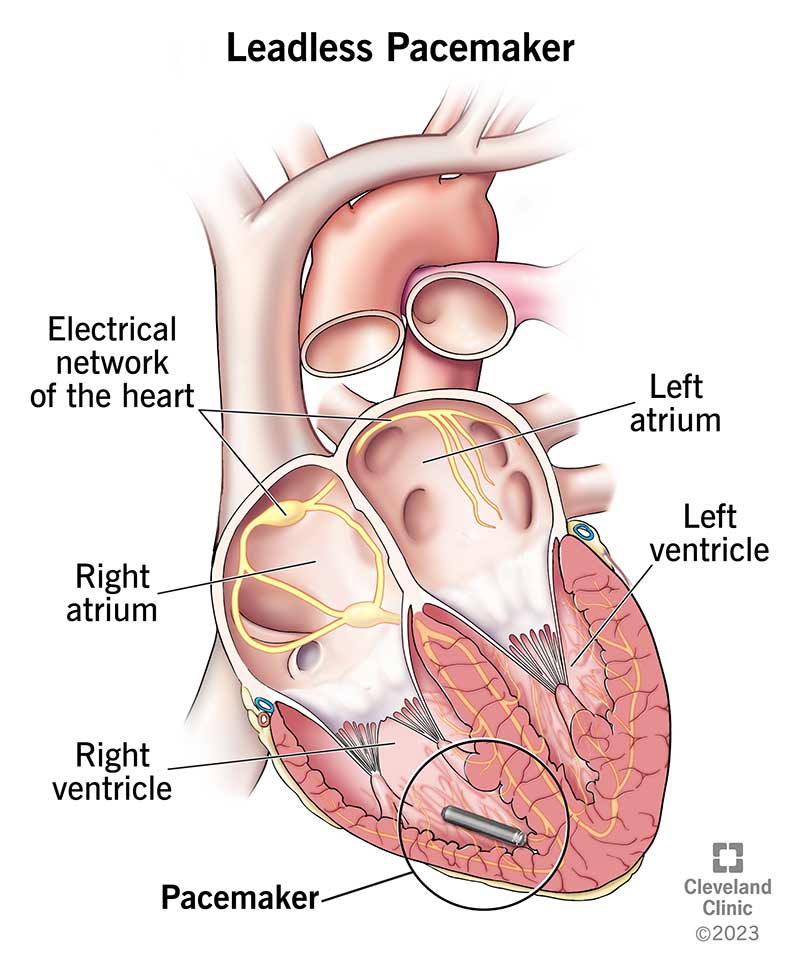
4. Leadless Pacemaker
A newer, minimally invasive option without traditional leads, suitable for selected patients.
The type of pacemaker is chosen after thorough evaluation by an experienced cardiologist.
How Is Pacemaker Implantation Performed?
Pacemaker implantation is a minimally invasive procedure, usually completed within 1–2 hours.
Step-by-Step Procedure
- Local anesthesia is administered
- A small incision is made below the collarbone
- Leads are guided through a vein into the heart
- The pacemaker device is placed under the skin
- Device settings are tested and adjusted
Patients are typically discharged within 24–48 hours.


Life After Pacemaker Implantation
A pacemaker significantly improves quality of life. Most patients return to normal activities within a few weeks.
Post-Implantation Care
- Avoid heavy lifting initially
- Keep incision site clean
- Attend regular follow-ups
- Inform doctors before MRI or surgeries
Benefits of a Pacemaker
- Improved energy levels
- Reduced dizziness and fainting
- Better heart efficiency
- Enhanced overall well-being
- Lower risk of complications
With proper care and expert guidance, patients lead long, active, and healthy lives.
Are There Any Risks?
Pacemaker implantation is generally very safe when performed by an experienced cardiologist. Rare risks may include:
- Infection
- Bleeding
- Lead displacement
- Device malfunction
Choosing the right specialist significantly minimizes these risks.
Why Choose Dr Gautam Naik for Pacemaker Implantation in Delhi?
When it comes to heart rhythm management, experience, precision, and judgment matter most.
Dr Gautam Naik is widely recognised as the best cardiologist in Delhi at Apollo Hospital, known for:
- Extensive expertise in interventional cardiology
- High success rate in pacemaker and cardiac procedures
- Patient-centric approach and ethical decision-making
- Use of advanced diagnostic and treatment technologies
- Trusted care across complex and high-risk cardiac cases
Under his leadership, patients receive accurate diagnosis, individualized treatment plans, and world-class cardiac care.
Who Should Consider Consulting a Cardiologist for Pacemaker Evaluation?
You should seek expert cardiology consultation if you:
- Experience unexplained fainting or dizziness
- Have a diagnosed heart rhythm disorder
- Have a history of heart block or heart failure
- Feel persistent fatigue without cause
- Have abnormal ECG or Holter monitoring reports
Early consultation can prevent complications and save lives.
Conclusion
Pacemaker implantation is not just a procedure—it is a lifesaving intervention that restores rhythm, stability, and confidence. With modern technology and expert hands, it offers long-term safety and remarkable improvement in quality of life.
If you or a loved one is facing heart rhythm issues, consulting Dr Gautam Naik, the best cardiologist in Delhi at Apollo Hospital, ensures the highest standard of cardiac care backed by experience, innovation, and compassion.
Leave A Reply
Your email address will not be published