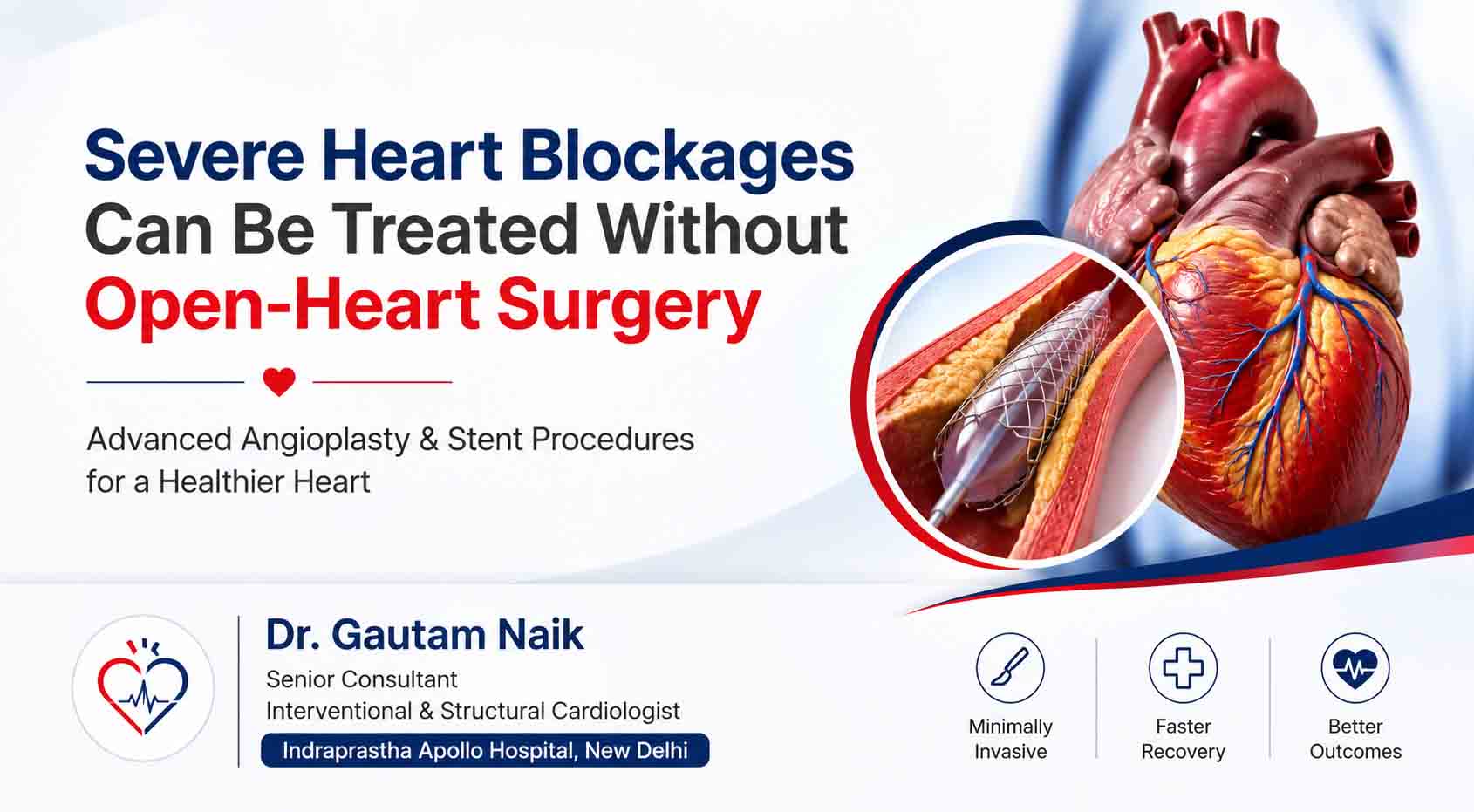
Heart disease remains one of the leading causes of death worldwide, but advancements in cardiology have made treatment safer and less invasive than ever before. One of the most common questions patients ask is, "Can severe heart blockages be treated without open-heart surgery?" The answer is yes—in many cases, they can. Thanks to modern interventional cardiology, many patients with blocked heart arteries can now be treated using minimally invasive procedures without the need for traditional open-heart surgery.
Heart blockages occur when the coronary arteries become narrowed or blocked due to the buildup of fatty deposits known as plaque. This condition, called coronary artery disease (CAD), can reduce blood flow to the heart muscle, leading to symptoms such as:
If left untreated, severe blockages can significantly increase the risk of life-threatening cardiac events.
Traditionally, patients with multiple or complex blockages were advised to undergo Coronary Artery Bypass Grafting (CABG), commonly known as open-heart bypass surgery. CABG remains an excellent treatment option for certain patients, especially those with very complex disease or diabetes affecting multiple arteries.
However, advances in interventional cardiology now allow many patients to avoid major surgery.
One of the most effective alternatives is Coronary Angioplasty (PCI) with Stent Placement.
During this minimally invasive procedure:
The procedure usually takes one to two hours, requires only a small puncture, and most patients return home within 24 to 48 hours.
Not all blockages are straightforward. Some patients have heavily calcified or long-standing blockages that require advanced expertise. Modern interventional cardiology offers specialized procedures such as:
These technologies help cardiologists accurately assess the blockage and perform safer, more precise treatments while avoiding open-heart surgery whenever appropriate.
Whether a patient can avoid bypass surgery depends on several factors, including:
A detailed evaluation with coronary angiography, echocardiography, and other cardiac tests helps determine the most suitable treatment plan.
Compared with open-heart surgery, minimally invasive angioplasty offers several advantages for eligible patients:
However, every patient is different, and treatment decisions should always be personalized.
If you have been diagnosed with severe heart blockages, expert evaluation is essential before deciding on surgery. Dr. Gautam Naik, Senior Consultant Interventional & Structural Cardiologist at Indraprastha Apollo Hospital, New Delhi, specializes in advanced coronary interventions and structural heart procedures. With international fellowship training in interventional and structural cardiology, he provides evidence-based, patient-centered treatment using the latest minimally invasive technologies whenever clinically appropriate.
Severe heart blockages no longer automatically mean open-heart surgery. Modern angioplasty, advanced stent technology, and specialized interventional procedures have transformed the treatment of coronary artery disease. While bypass surgery is still the best option for some patients, many others can safely achieve excellent outcomes without opening the chest.
If you or a loved one has been diagnosed with blocked heart arteries, consult today an experienced interventional cardiologist to understand all available treatment options and receive a personalized care plan.

Dr. Gautam Naik is a highly experienced cardiologist, known for advanced treatments, patient-focused care, and trusted expertise in managing complex heart conditions.


