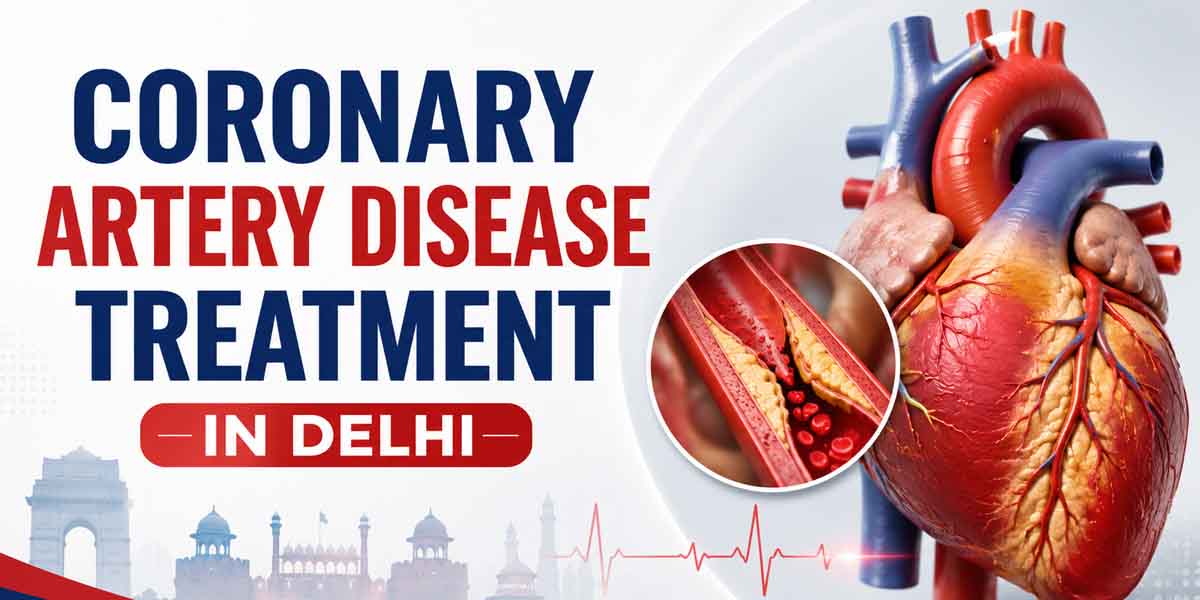
Coronary Artery Disease (CAD) is a common heart condition in which the coronary arteries become narrowed or blocked due to plaque buildup. This can reduce blood flow to the heart muscle and may cause chest discomfort, breathlessness, fatigue, or, in severe cases, a heart attack. If you are looking for coronary artery disease treatment in Delhi, timely evaluation by a qualified cardiologist can help determine the most appropriate treatment based on your symptoms, test results, and overall heart health.
CAD usually develops gradually when cholesterol, fats and other substances accumulate inside the artery walls. Risk factors can include high cholesterol, high blood pressure, diabetes, smoking, obesity, physical inactivity, increasing age and a family history of heart disease.
Recognising risk factors early is important because coronary artery disease can sometimes progress without obvious symptoms.
A cardiologist may recommend different tests depending on the patient's symptoms and risk profile. These may include an ECG, echocardiogram, stress testing, CT coronary angiography or conventional coronary angiography. These investigations help assess the location and severity of coronary artery narrowing and guide treatment decisions.
Treatment for CAD is personalised. Not every patient with a blockage requires a stent or bypass surgery. Depending on the severity and pattern of disease, treatment may include medicines, lifestyle modification, coronary angioplasty with stent placement, or coronary artery bypass grafting (CABG).
For many patients, medical management is an important part of long-term CAD care. Medicines may be prescribed to control cholesterol, blood pressure, angina and the risk of blood clots. A heart-healthy diet, regular physical activity as advised by the doctor, weight management, smoking cessation and control of diabetes are also important components of care. Current chronic coronary disease guidelines recommend healthy dietary habits and appropriate physical activity for patients with chronic coronary disease.
Coronary angioplasty, also known as PCI, is a minimally invasive procedure used to improve blood flow through a narrowed coronary artery. A catheter is guided to the affected artery, and a balloon may be used to open the narrowing. A stent is generally placed to help keep the artery open.
CABG may be considered when coronary artery disease is complex, involves multiple vessels, or when angioplasty may not provide the most suitable treatment. Treatment selection depends on factors such as the location and complexity of blockages, other medical conditions and the patient's overall clinical situation.
Delhi has access to advanced cardiac diagnostic and treatment facilities, allowing patients to undergo comprehensive evaluation and receive personalised treatment plans. Dr. Gautam Naik can review your symptoms, medical history and investigation reports to determine whether medication, angioplasty, bypass surgery or continued monitoring is appropriate.
Treatment decisions should be individualised rather than based only on the percentage of blockage. For complex cases, guidelines support a patient-centred approach involving shared decision-making and, when appropriate, a multidisciplinary Heart Team.
Do not ignore persistent chest pressure, chest pain during physical activity, unusual breathlessness, unexplained fatigue or symptoms that are becoming more frequent. Sudden or severe chest pain, especially with sweating, breathlessness, nausea or pain spreading to the arm, shoulder, back or jaw, requires emergency medical attention.
If you are searching for coronary artery disease treatment in Delhi, today for an appropriate evaluation rather than delaying care or self-medicating. Early diagnosis, evidence-based treatment and long-term heart-health management can play an important role in reducing cardiovascular risk.
Book Your Appointment Today Call: +91-8527718228
Dr. Gautam Naik is a highly experienced cardiologist, known for advanced treatments, patient-focused care, and trusted expertise in managing complex heart conditions.


